


Analysis of Nepal's recent balance of payments surplus and its outlook for sustainability amid remittance flows and economic factors.
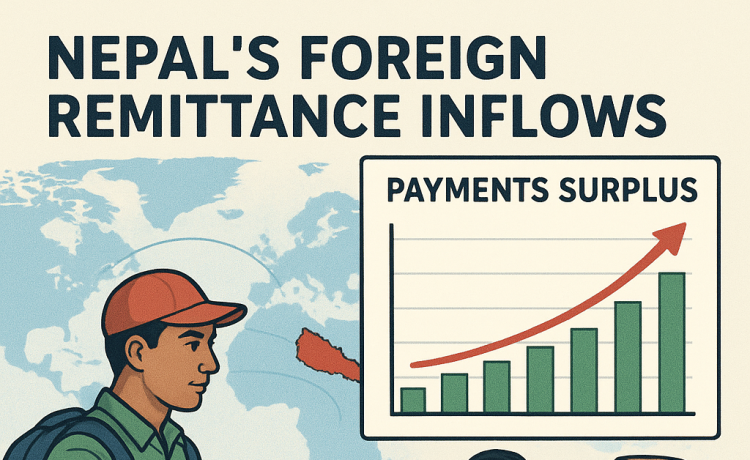
Nepal has recorded a balance of payments surplus in the fiscal year 2082/83 (corresponding to mid-2025 in the Gregorian calendar), fueled significantly by remittances from overseas workers, particularly those in countries such as the Gulf states and Malaysia. This surplus reflects a positive inflow of foreign currency from migrant workers sending money back home, a critical source of Nepal’s foreign exchange reserves. However, economic analysts question the long-term sustainability of this surplus given fluctuating global economic conditions and potential risks to remittance inflows, including labor market restrictions abroad and geopolitical uncertainties.
The Nepalese government and financial institutions continue to monitor these trends closely to implement policies aimed at stabilizing the economy and diversifying income sources beyond remittances. Additionally, research at Nepalese universities focuses on improving the efficiency of remittance channels and exploring development projects to harness these funds more effectively. Official statements from the Nepal Rastra Bank emphasize cautious optimism while stressing the need for structural reforms to maintain financial stability.
For Nepalese migrant workers abroad, especially in Greece and other host countries relevant to Nepalese migration, embassy notices remind them to stay informed about labor rights and report any workplace grievances through official channels. This holistic approach could mitigate risks associated with reliance on remittance-dependent economic growth and ensure more sustainable development outcomes for Nepal.
Sources referenced:
- https://news.google.com/rss/articles/CBMingFBVV95cUxOZDFTYng0ZmtHTlFmOUtUekpTM3NXTGR2U09Fam5JVmZLRHBZNk1OYnJtT21jYWgwLXBGX29BUng5UjFYVGZqMnZWb0NqMTRwOXBiQ3N2RVdPLW9QdFQ0T0xKRUFoS1pscnJXVzZtMHAxbDB6UXc0cHVQbmRQNmxubktiWVowLWdvVXpzTjlOR1dMa3VDbkt2clIwWXBvdw