


Farmers in Benguet province suffer financial strain as cabbage prices drop drastically due to oversupply and increasing transport costs. They voice strong opposition against government plans to import 6,000 metric tons of carrots, fearing further market disruption.
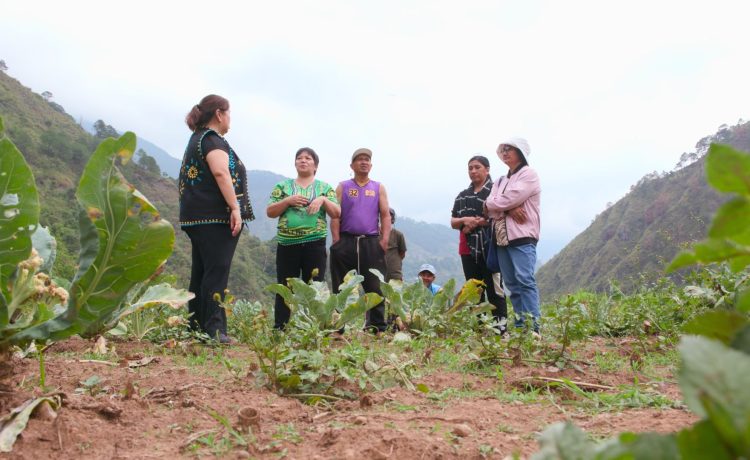
Farmers in Benguet, known as the “Salad Bowl” of the Philippines for supplying nearly 80% of Metro Manila’s upland vegetables, are struggling with heavy economic losses. The price of cabbages has fallen sharply to as low as 4 to 10 Philippine pesos per kilogram due to oversupply and rising transport expenses, compelling farmers to sell at a loss or discard unsold produce as fertilizer. Mona and Efren, a farming couple in Kabayan, Benguet, report spending approximately 40,000 pesos on crops but expect only around 15,000 pesos in revenue. Additional costs, such as fuel and transport charges, further reduce their profits. Experienced farmer Lope highlighted that current prices are insufficient to sustain livelihoods or fund family needs like education.
Adding to farmer concerns is the Department of Agriculture’s proposal to import 6,000 metric tons of carrots to address shortages in other parts of the country. Local farmers fear that imports will devalue their crops and result in wastage. Several farmer groups have protested and attempted to raise their concerns in a Senate hearing, which was later canceled, disappointing many who had traveled to Manila to participate.
Senator Francis “Kiko” Pangilinan noted that farmers are often disadvantaged by middlemen and highlighted the Sagip Saka Law, enabling direct government procurement from farmers without public bidding to improve their market position. The Department of Agriculture justified the carrot imports citing regional supply deficits and emphasized the need for a coordinated planting and harvesting calendar to avoid oversupply. Investments like cold storage facilities are underway to support vegetable producers.
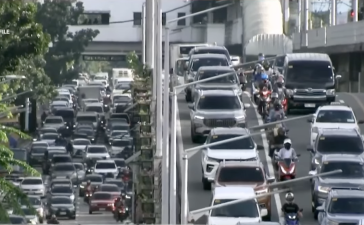
Benguet agricultural authorities also acknowledged transport cost issues and implemented measures such as toll fee waivers via designated food lanes on routes to Manila. Initiatives like Rural Rising Philippines and Greens for Good aim to connect farmers directly to consumers and institutional buyers, improving distribution and stabilizing income. Farmers advocate for stronger government support, including infrastructure like greenhouses and systems for direct marketing to reduce dependence on intermediaries and increase sustainability.
Sources referenced:
- https://www.gmanetwork.com/news/topstories/nation/988714/benguet-farmers-struggle-with-low-vegetable-prices-oppose-planned-carrot-imports/story/