


Countries worldwide implement diverse strategies to alleviate the impact of soaring energy prices caused by geopolitical tensions involving the U.S., Israel, and Iran.
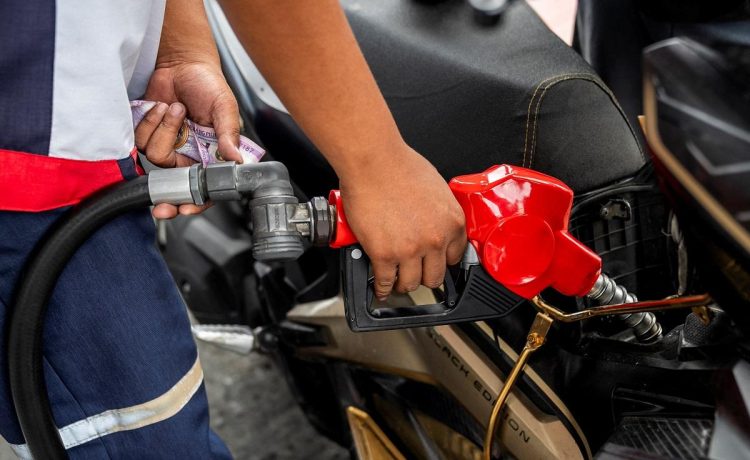
Governments across the globe are taking varied approaches to shield households and consumers from escalating energy costs driven by the ongoing conflict between the U.S., Israel, and Iran. India, the world’s fourth-largest oil refiner, has enacted emergency powers to maximize domestic LPG production, restricted consumer access to certain fuels, and is closely managing fuel exports to ensure local market stability. Germany is exploring imposing a windfall tax on oil companies to aid consumers. South Korea is increasing coal and nuclear power generation capacity and considering additional support vouchers for vulnerable populations. China has banned exports of refined fuels in anticipation of domestic shortages and is releasing fertilizer reserves ahead of planting season. Australia’s government is releasing petrol and diesel from reserves and urging the public to avoid panic buying. Japan has requested its LNG supplier, Australia, to boost output. The European Union is allowing flexibility in gas import regulations to expedite LNG delivery. Italy is reducing excise duties on fuels, Cambodia and Malaysia are increasing fuel imports and subsidies respectively, and Thailand is evaluating oil tax cuts and price caps. The Philippines plans to control electricity tariffs and expand coal power to counter rising LNG prices. Brazil has removed federal taxes on diesel. Egypt is capping bread prices, while Ethiopia has increased fuel subsidies. These measures demonstrate the broad spectrum of government interventions aimed at stabilizing energy affordability amid global supply-chain challenges linked to geopolitical conflicts.
Sources referenced:
- https://www.gmanetwork.com/news/topstories/world/980697/factbox-governments-worldwide-shield-households-from-rising-energy-costs/story/