


The Philippine peso continues to weaken against the US dollar, reaching a new all-time low amid rising global oil prices driven by Middle East tensions.
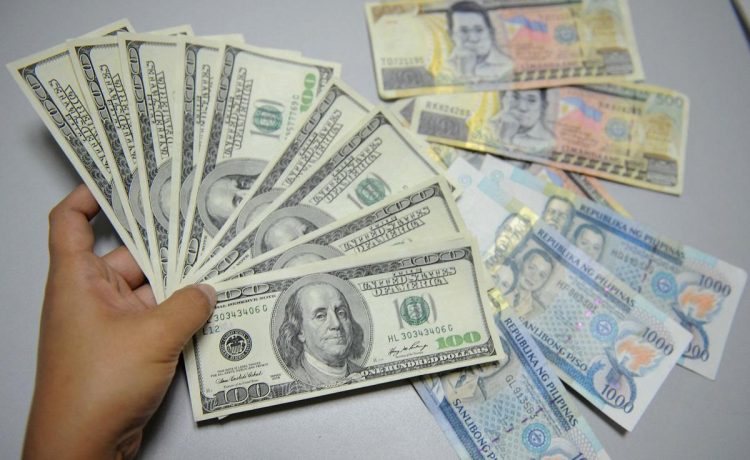
On Monday, the Philippine peso further depreciated against the US dollar, closing at 60.69 pesos per dollar from 60.55 pesos per dollar last Friday, setting a new record low. This depreciation is largely attributed to ongoing global increases in oil prices caused by unrest in the Middle East. A trader cited in a mobile message noted that the peso’s weakness stems from the combined effects of a strong US dollar and increased oil demand, with thin liquidity amplifying currency moves. The same trader anticipated that the exchange rate could reach 61 pesos per dollar but expects volatile trading around that level rather than a straightforward breakout. Recently, Iran announced readiness to respond if the US deploys troops amid plans to negotiate an end to Middle East turmoil. US President Donald Trump mentioned intentions to seize Iranian oil and hinted at controlling the export hub on Kharg Island. Despite the peso’s decline, BSP Governor Eli Remolona Jr. stated last week there is no immediate need for intervention in the foreign exchange market, highlighting that a weaker peso might benefit the country’s current account deficit and exports. This development is significant for Filipinos working overseas, as remittances and exchange rates impact their earnings and savings amid volatile global economic conditions.
Sources referenced:
- https://www.gmanetwork.com/news/balitambayan/balita/981960/halaga-ng-piso-vs-us-dollar-bumulusok-pa-sa-p60-69-1/story/