

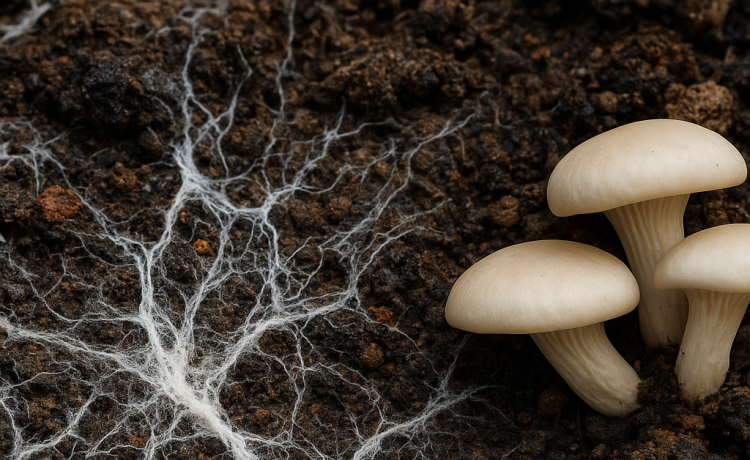

Mycoremediation utilizes fungi to break down pollutants in soil and water, offering a sustainable and cost-effective alternative for environmental cleanup.
Mycoremediation, an emerging environmental restoration technique, employs fungi to remediate contaminated ecosystems by breaking down toxic substances into harmless compounds. This approach leverages the abilities of fungal species like Pleurotus ostreatus (oyster mushroom) and Trametes versicolor (turkey tail mushroom) to produce enzymes such as laccase and peroxidase, which degrade harmful pollutants including polycyclic aromatic hydrocarbons (PAHs), pesticides, and heavy metals.
Unlike traditional chemical or mechanical remediation methods, mycoremediation is a natural process that is often less costly and less disruptive to ecosystems. By introducing selected fungi into polluted soils or waters, the mycelium network actively metabolizes pollutants, transforming them and aiding environmental recovery. Additionally, mycelial fungi can form symbiotic relationships with plants (mycorrhizal associations), enhancing nutrient uptake and promoting healthier plant growth, which further supports ecosystem resilience.
Ongoing scientific research continues to explore the diverse applications and mechanisms of mycoremediation, underscoring the significant role fungi play in ecosystem health and restoration. This fungal-based methodology presents promising potential amidst growing concerns over pollution and climate change, offering an innovative route for sustainable environmental management worldwide.
Sources referenced:
- https://www.manilatimes.net/cdn-cgi/content?id=JKBrzIsbkHoPYBS84gihe8zlYo7RsI980gueKNm2cJI-1788445295.618721-1.2.1.1-dVnakYZQhfruWUGaNqf9ZbnHE_C9CJfOuRAIFIHHowliRgoXyYItI7Tq4YQixY3H