


Mycoremediation utilizes the natural capabilities of fungi to degrade environmental pollutants, offering a sustainable and cost-effective alternative for ecosystem rehabilitation.
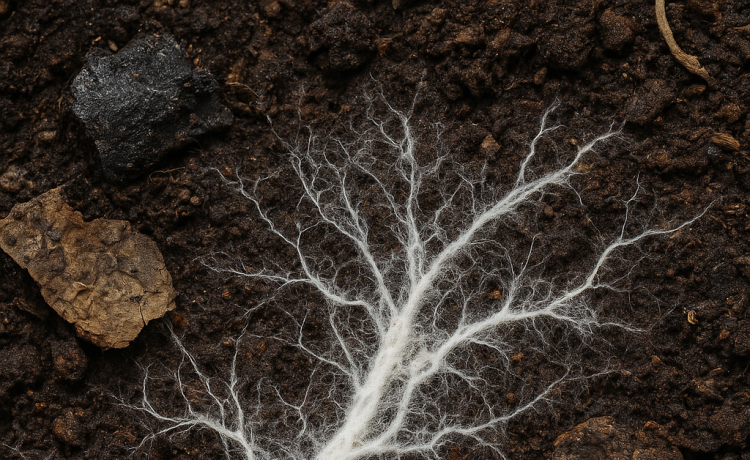
Mycoremediation, the use of fungi to remediate polluted environments, is an emergent and promising approach to tackling contamination and restoring ecological balance. This technique exploits the natural abilities of fungal mycelium, the vegetative network of a fungus, to enzymatically break down complex pollutants such as polycyclic aromatic hydrocarbons (PAHs), pesticides, and heavy metals into harmless substances.
Certain fungal species produce powerful enzymes like laccase and peroxidase, which enable them to degrade persistent organic pollutants effectively. For example, the oyster mushroom (Pleurotus ostreatus) has demonstrated strong potential in breaking down PAHs, while the turkey tail mushroom (Trametes versicolor) can remove heavy metals from soil. By carefully selecting fungal species suited to the specific contamination, mycoremediation strategies can be customized for diverse environmental challenges.
Beyond effectiveness, mycoremediation presents a sustainable and economical alternative to traditional chemical and mechanical remediation methods. It leverages natural biodegradation processes, reducing costs and energy consumption while avoiding invasive excavation that can disrupt ecosystems. Moreover, fungal mycelium can form symbiotic relationships with plant roots (mycorrhizal associations), improving nutrient uptake and supporting plant health, which further contributes to ecosystem recovery.
As pollution and climate change continue to threaten environmental health globally, mycoremediation offers a hopeful avenue for rehabilitation efforts. Ongoing research into fungal ecology and biotechnology is expanding the possibilities of this fungal frontier, potentially leading to new innovative applications in environmental restoration.
Given its ecological benefits and adaptability, mycoremediation merits attention from environmental scientists, governments, and industries aiming for sustainable remediation solutions. Promoting fungal biodiversity and investing in mycoremediation research can help pave the way toward healthier, more resilient ecosystems worldwide.
Sources referenced:
- https://www.manilatimes.net/mycoremediation-the-fungal-frontier-of-environmental-restoration/