


Recent scientific studies have unveiled new insights into the mechanisms of meiosis, the essential process that generates genetic diversity in sex cells, with implications across biology and evolution.
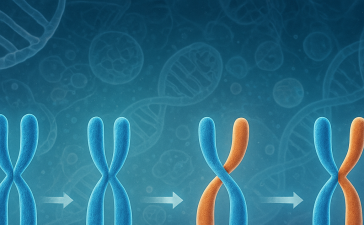
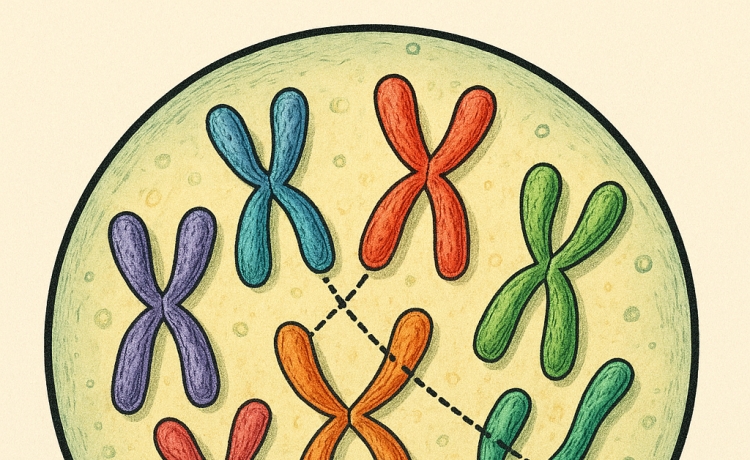
Meiosis is a fundamental biological process responsible for producing haploid gametes—sperm and egg cells—through two successive cell divisions that halve the chromosome number. This carefully orchestrated mechanism ensures genetic diversity in offspring via events such as homologous chromosome pairing, crossing over, and independent assortment. A particularly critical event is crossing over, where genetic material is exchanged between homologous chromosomes during prophase I of meiosis, facilitating unique genetic combinations.
Recent research has elucidated the molecular underpinnings of these meiotic events, unveiling key roles for small RNA molecules like piRNAs and siRNAs in regulating gene expression and maintaining genomic integrity during meiosis. Advanced imaging techniques, including live-cell imaging and single-molecule localization microscopy, have further allowed scientists to visualize chromosomal dynamics and recombination processes in greater detail than ever before.
Moreover, studies extending beyond traditional model organisms have shed light on the evolutionary conservation and divergence of meiotic mechanisms across diverse species such as plants, insects, and other animals. This broadened perspective enhances our comprehension of meiosis’s role in species diversity and evolution.
These scientific advancements not only deepen the understanding of genetic inheritance and evolutionary biology but also pave the way for novel research avenues in genetics and developmental biology. Continuing exploration of meiosis exemplifies the complexity and elegance of life’s molecular foundations, inspiring ongoing inquiry in the biological sciences.
Sources referenced:
- https://www.manilatimes.net