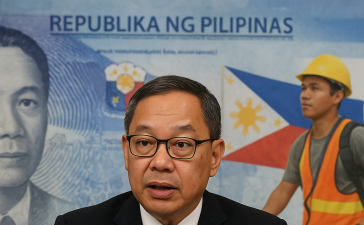




The proposed tax on coffee products in the Philippines is no longer under consideration, according to House Ways and Means Committee chairman Miro Quimbo, citing potential harm to farmers and small coffee shops.
The proposal to tax coffee products in the Philippines has been officially declared “dead and buried” by Miro Quimbo, the chairman of the House Ways and Means Committee. In a recent interview, Quimbo described the coffee tax proposal as “dead on arrival” and no longer being discussed. This tax proposal was initially put forward by Olivia Limpe-Aw, president of the Distilled Spirits Association of the Philippines. Quimbo emphasized that imposing a tax on coffee would harm not only coffee farmers but also small-scale coffee businesses, which constitute a significant portion of the industry beyond major chains like Starbucks.
Instead, Quimbo and his committee are focusing on revising taxes related to alcoholic beverages, specifically alcopops—flavored liquors with an alcohol content of around 8%. The current tax on alcopops is lower than on beer, despite containing distilled spirits, which normally carry a higher tax. The committee aims to classify and tax alcopops appropriately to discourage early drinking habits among the youth, as studies show early alcohol consumption can lead to heavier drinking later in life.
Quimbo also mentioned plans to impose or increase excise taxes on luxury items predominantly consumed by the wealthy, such as helicopters, airplanes, jetskis, and luxury vehicles. Notably, some of these items currently have no excise tax. The proposed changes include raising the excise tax on luxury vehicles from 50% to 75% of the selling price and applying taxes on high-powered motorcycles, targeting consumption patterns of affluent individuals. While some might argue these measures raise only small revenue amounts, Quimbo stressed that every collection contributes to the overall tax revenue.
This development highlights the Philippine government’s approach to balancing revenue generation with protecting key sectors like agriculture and small businesses, while targeting luxury consumption and alcohol taxation for improved fiscal and social outcomes.
Sources referenced:
- https://www.gmanetwork.com/news/topstories/nation/1010936/proposed-coffee-tax-already-dead-buried-quimbo/story/