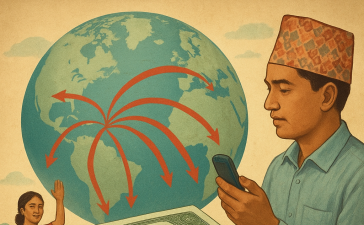




Recent data reveals that 63.5% of Filipinos now use electronic wallets rather than traditional banks to remit funds to their families in the Philippines.
A significant shift is occurring among Filipino overseas workers and migrants in the way they send remittances back home. According to recent reports cited by Manila Bulletin, 63.5% of Filipinos now prefer using e-wallets instead of traditional banking channels for money transfers. This trend highlights the growing adoption of digital financial services in the overseas Filipino worker (OFW) community, driven by convenience, speed, and lower transaction costs.
The move towards e-wallets reflects broader global trends in financial technology adoption, facilitating quicker and more accessible remittance services for millions of Filipinos working abroad. This development has implications for financial institutions, regulators, and policymakers aiming to support secure, affordable, and inclusive remittance mechanisms.
Remittances form a critical part of the Philippine economy, contributing significantly to household incomes and national economic stability. With many overseas Filipinos embracing electronic wallets, there is a need for continuous monitoring of digital security, consumer protection, and regulatory frameworks to ensure the benefits of digital remittances reach all segments safely.
Sources referenced:
- https://news.google.com/rss/articles/CBMioAFBVV95cUxPTDY4RkdELUVmU1VyczVKS0hlUDkxRWtsYUR6MENONURMU0VuVEplakdmcVVnX29jU2xKTGFCMDBRazR2SFBxV1JKdER5Z0ZJUjVfVlh2Zk1zNzFkVGZ1SGxDVFp1blhCczNWWWtzR1o4NWR5TExnZ0NPSmt4WWFmNHEzM0RGcXVJSnhtZlZYd1FvTm5sRUFJRkJvWWp4YzMy