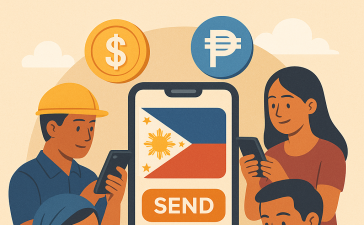




A recent Chainalysis report reveals that stablecoins are increasingly being used to settle remittances sent by Overseas Filipino Workers, comprising up to 10% of total remittances.
A new report by blockchain analytics firm Chainalysis has found that up to 10% of remittances sent by Overseas Filipino Workers (OFWs) are now settled using stablecoins, a type of cryptocurrency designed to maintain a stable value. This trend highlights the growing adoption of digital currencies for overseas remittance transfers among Filipino migrant workers.
Stablecoins offer a potential advantage by enabling faster and more cost-effective cross-border transactions compared to traditional money transfer services. For OFWs, who collectively remit over $30 billion annually, these emerging fintech solutions could significantly impact how funds are sent back home.
The report indicates that while the traditional channels remain predominant, the increasing use of stablecoins reflects a broader movement towards digital financial services in the remittance space. This shift may also provide more convenience and accessibility for Filipino workers abroad, particularly in countries where banking infrastructure is limited or transaction fees are high.
Despite the benefits, regulatory considerations remain important to ensure the security and compliance of stablecoin transactions. Financial authorities in the Philippines continue to monitor developments to safeguard the interests of remittance recipients and senders alike.
This development is a significant marker of innovation in the financial landscape for overseas Filipino workers, aligning with global trends in digital currency adoption.
Sources referenced:
- https://bitpinas.com/up-to-10-of-overseas-filipino-remittances-are-now-settled-via-stablecoins-chainalysis-report-reveals/