


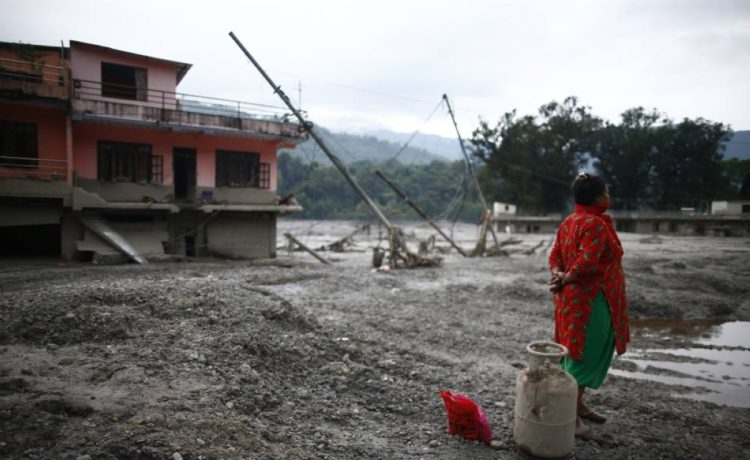

The devastating debris flow and flood in Bhotekoshi has highlighted Nepal's vulnerability to glacial disasters, emphasizing the necessity for improved preparedness and long-term adaptation strategies.
On August 26, 2026, Nepal experienced a catastrophic debris flow and flood along the Bhotekoshi river that resulted in over 900 deaths and left approximately 4,000 people unaccounted for. The disaster caused significant destruction to riverbank settlements, infrastructure including bridges linking cities, and hydropower projects, leading to an estimated loss of more than 450 megawatts of electricity—over 10% of the nation’s total power capacity. Initial damage assessments estimate economic losses at approximately Rs 2 trillion.
The event was triggered by a massive glacier ice mass approximately 100 million tonnes in weight descending over 5,000 meters at speeds of around 180 km/h near Langtang market. The kinetic energy released was comparable to a magnitude 5.2 earthquake, and generated heat that rapidly melted ice and mobilized debris along the Lhende River, culminating in widespread flooding downstream.
This unprecedented disaster surprised not only Nepal but also neighboring China, exposing gaps in disaster preparedness despite previous warnings from similar events such as the 2021 Chamoli flood in India and earlier outburst floods in Nepal’s mountain regions. The government mobilized over 20,000 security personnel for rescue and relief operations, rescuing more than 10,000 individuals so far, but the scale of the event has overwhelmed response capabilities.
Experts warn that climate change and rising temperatures are increasing the frequency and severity of glacial outburst floods in the Himalayan region. According to ICIMOD, Nepal hosts approximately 25,000 glaciers, with at least 40 vulnerable to sudden outburst at any time. Projections indicate 2027 may be the hottest year on record, heightening risks associated with glacial melts.
Adaptation strategies recommended include relocating settlements from vulnerable lowland riverbanks to safer midland areas, a practice historically employed by Nepalese communities but reversed in recent decades. Restoration of traditional water management infrastructure such as ponds in urban areas could also mitigate local flooding risks.
Nepal’s recent experience with large-scale disaster reconstruction following the 2015 earthquake provides a foundation for planning recovery efforts, though current efforts prioritize immediate rescue and relief operations. Officials caution about potential secondary disasters, including disease outbreaks from decomposing bodies, highlighting the need for comprehensive disaster risk reduction planning.
International responses include offers of aid and support from global leaders, with stakeholders recognizing the urgent need for regional cooperation in disaster preparedness and climate adaptation measures. The Bhotekoshi catastrophe serves as a stark reminder of Nepal’s vulnerability and the critical importance of proactive measures to prepare for even greater challenges ahead.
Sources referenced:
- https://thehimalayantimes.com/opinion/bhotekoshi-catastrophe-need-to-prepare-for-the-worse-to-come





1 Comment