

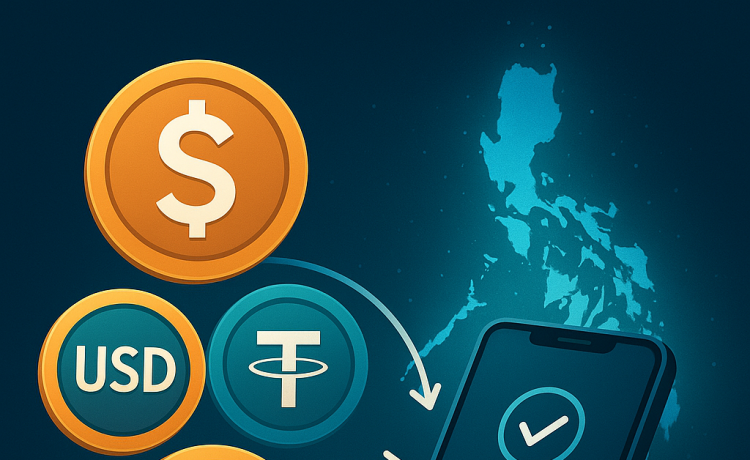

At a Morph Manila panel, experts emphasized that the Philippines stands to gain significantly from adopting stablecoin technology for remittance transfers, potentially improving efficiency and cost-effectiveness for overseas Filipino workers.
During a recent Morph Manila panel discussion, technology industry leaders voiced strong support for the use of stablecoin technology to facilitate remittance transfers, highlighting the Philippines as the primary beneficiary among remittance-receiving countries. Stablecoins, known for their price stability and blockchain-based transaction capabilities, could offer overseas Filipino workers a more efficient, transparent, and cost-effective method to send money home.
Official sources noted that remittances constitute a vital part of the Philippine economy, with millions of overseas Filipino workers relying on secure and affordable channels to support their families. While no formal governmental policy changes were announced during the panel, experts urged policymakers, financial institutions, and fintech companies to collaborate on creating regulatory frameworks and infrastructure that enable the adoption of stablecoins for remittance purposes.
Reportedly, participants discussed challenges such as regulatory compliance, digital literacy among users, and integration with existing financial systems. They underscored the importance of safeguarding users against fraud and volatility risks even though stablecoins aim to minimize such issues.
The push toward stablecoin remittances represents an effort to leverage innovative financial technology to improve the economic well-being of Filipino overseas workers and their families. This development is part of broader digital transformation initiatives in the finance sector within the Philippines and globally.
Sources referenced:
- https://news.google.com/rss/articles/CBMiZEFVX3lxTE9LVldqZkQyWTZRcEtvOHFfNVAwUnJiSmRZbG9mcjhWcHdyVFFLb2tFX1IzbDI4TmVVRG5LcXk3NHQ1YUZLQ25Da0Z5Z0oxX2t0ZUw0Rml4eEJxbTBoX1hfWGFjMDk