


The Philippine Statistics Authority reports a surge in youth unemployment to 1.12 million in September 2026, driven by gaps in education alignment and lack of job creation in agriculture and industry sectors.
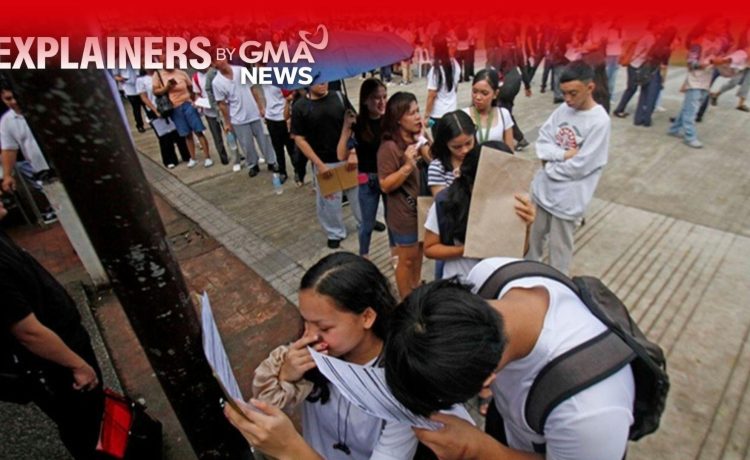
The unemployment rate in the Philippines increased notably to 5.4% in September 2026, up from 3.5% a year earlier, according to the Philippine Statistics Authority (PSA). The latest data equate to approximately 2.86 million Filipinos without jobs. Youth unemployment in particular has risen sharply, with 1.12 million young people out of work in September 2026 compared to 741,000 the previous year.
Research by the Philippine Institute for Development Studies (PIDS) highlights a critical mismatch between educational curricula and the evolving requirements of the labor market. Training programs have not kept pace with industrial needs, compounded by the absence of a national framework defining ‘middle skills.’ Consequently, agencies such as the Technical Education and Skills Development Authority (TESDA) and the Commission on Higher Education (CHED) maintain differing standards that hinder streamlined workforce preparation.
Sonny Africa, executive director of the IBON Foundation, further explains that the root cause extends beyond skills mismatch: sectors like agriculture and industry are not generating sufficient new jobs. Government initiatives such as job fairs serve mainly to connect existing job seekers with employers but fall short of actively creating employment opportunities.
Underemployment is also a pressing issue, with PSA reporting 5.56 million Filipinos working less than they would like and seeking additional job hours or a second job. Experts emphasize that job creation must be paired with efforts to ensure decent wages and benefits, not merely increase employment figures.
The Department of Labor and Employment (DOLE) acknowledges ongoing labor market challenges and has committed to collaborating with employers, local governments, and other stakeholders to improve youth employment prospects and access to sustainable, decent work opportunities. Improving coordination amongst education and training bodies and aligning them closely with industry needs remains a key policy focus to address these systemic challenges effectively.
Sources referenced:
- https://www.gmanetwork.com/news/topstories/nation/1009193/explainer-why-are-more-filipino-youths-are-facing-unemployment-challenges/story/