


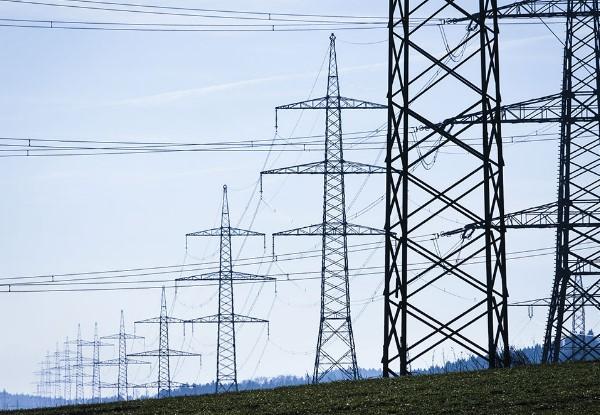

The Philippine Department of Energy is proactively monitoring the country's power grids and conducting simulations to manage increased electricity demand expected during the strong El Niño weather phenomenon, especially focusing on Luzon, Visayas, and Mindanao grids.
The Philippine Department of Energy (DOE) has announced that it is closely monitoring the national power grid systems in anticipation of a potentially strong El Niño event expected to impact the country through 2027. El Niño is forecasted to cause prolonged drought and elevated temperatures, increasing electricity demand and the risk of power supply shortages.
DOE Undersecretary Mario Marasigan stated that simulations are being conducted to evaluate the current status of power plants and transmission facilities, particularly those prone to outages during such weather stresses. The grid in Luzon, the country’s largest island, is likely to experience frequent red alert statuses, a warning level indicating insufficient power supply to meet demand. However, the DOE assured that this would not necessarily lead to manual load shedding or rotational brownouts under normal conditions.
In the Visayas region, power supply is a critical concern. The DOE is awaiting the completion of auxiliary services, including battery energy storage systems and power barges, targeted for readiness by the first quarter of 2027. These additional capacities aim to substantially reduce potential power alert statuses. Failure to complete these infrastructure improvements could result in frequent red alerts.
To address Visayas’ challenges, the DOE has ordered the National Grid Corporation of the Philippines to install over 250 megawatts of battery energy storage. There is also consideration of utilizing liquid fuel facilities to provide supplementary power. Meanwhile, in Mindanao, power grid alerts are expected to remain limited, with any red alert chances forecasted towards the last quarter of 2027.
According to the Philippine Atmospheric, Geophysical, and Astronomical Services Administration (PAGASA), average temperatures across the Philippines are expected to rise by 1 to 2 degrees Celsius due to El Niño, with regions such as Bicol, parts of Visayas, and Mindanao already showing early signs of impact. The DOE’s preparations are part of a broader effort to ensure stable and sufficient electricity supply amid climate-induced challenges, safeguarding industries, communities, and overseas workers reliant on consistent energy access.
Sources referenced:
- https://www.gmanetwork.com/news/topstories/nation/1005619/red-alert-status-likely-over-luzon-grid-amid-el-ni-o-threat/story/