


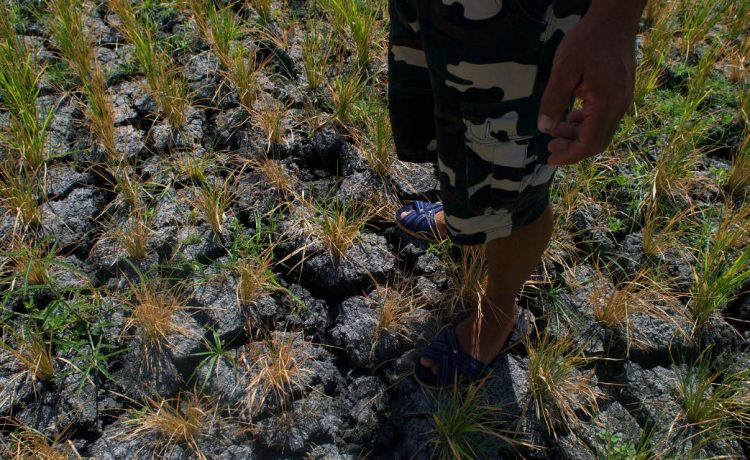

Experts warn that despite improvements in early warnings and some policy adjustments, the Philippines remains underprepared to fully mitigate the impacts of the impending Super El Niño phenomenon.
The Philippines is bracing for the arrival of a Super El Niño, a climate event expected to bring severe heat and prolonged drought conditions until March next year. The Philippine Atmospheric, Geophysical and Astronomical Services Administration (PAGASA) has issued warnings about the intensification of El Niño effects, emphasizing the need for comprehensive preparedness.
While government agencies have shown improvements in early warning systems and risk-based planning compared to previous El Niño occurrences, significant vulnerabilities remain. Measures such as solar-powered irrigation and drought-tolerant crops have been introduced, yet many agricultural areas lack sufficient drought-proof infrastructure. The proposed expansion of irrigation services covers just a fraction of the millions of hectares currently without adequate water access.
Budget discussions for 2027 highlight food security as a priority, with an allocation of PHP 261.7 billion for agricultural programs and an additional proposed funding exceeding PHP 20 billion intended to enhance El Niño readiness. Nevertheless, critiques highlight that these funds predominantly address shock absorption rather than long-term drought resilience, leaving critical water infrastructure underfunded and neglected.
Public communication strategies mainly emphasize consumer-level actions like conserving water and food but lack comprehensive guidance on systemic risk reduction. Additionally, the ongoing issues of corrupt practices diverting funds from essential flood control and water management projects exacerbate fiscal constraints.
Beyond drought and food security, other risks linked to Super El Niño include heat-related health impacts and threats to electricity generation, especially from hydropower facilities. Experts urge integrating occupational health protocols and improving early warning for heat stress and power supply stability.
The looming dual threats of extreme drought followed by intensified typhoons—expected to increase due to warmer ocean temperatures—pose compounded risks to vulnerable sectors such as agriculture and fisheries. Experience from recent years demonstrates how quickly livelihoods can be devastated by a combination of climate extremes.
Long-term adaptation requires substantial investment; the National Adaptation Plan estimates a cost of PHP 1.4 trillion, reflecting the cost of inaction. Experts advocate for diversified financing strategies, including grants and nature-based solutions, to safeguard fiscal space and ensure resilience against future disasters.
The government’s call for more predictive governance underscores the urgency of transforming climate forecasts into place-based risk management and infrastructure rehabilitation in the coming weeks. The effectiveness of these efforts will be critical in determining how the Philippines navigates the immediate threat of Super El Niño and the broader challenges of a warming world.
John Leo Algo, the National Coordinator of Akyson Klima Pilipinas, emphasizes that these events offer a preview of life under a global temperature rise exceeding 1.5°C, calling for comprehensive action to protect vulnerable communities and sustain national development.
Sources referenced:
- https://www.gmanetwork.com/news/topstories/opinion/1004899/opinion-the-philippines-is-not-ready-for-super-el-ni-o/story/