


New scientific insights into fouling reveal the physical, chemical, and biological forces involved, aiding the development of improved anti-fouling strategies relevant to various industries, including those employing overseas Filipino workers.
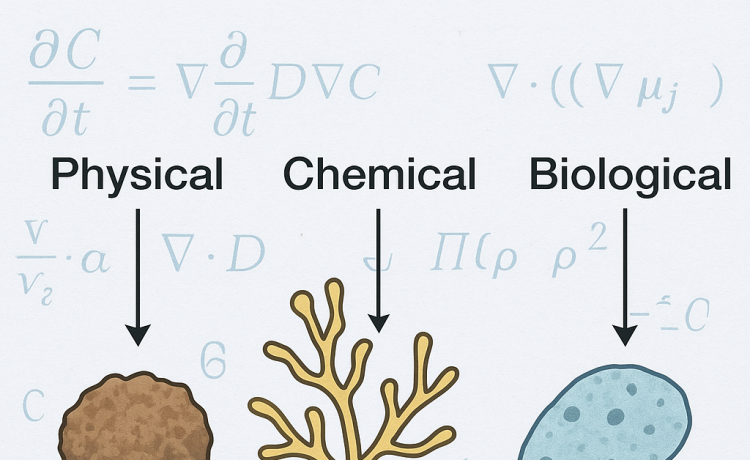
Fouling, the accumulation of unwanted substances on surfaces, is a pervasive phenomenon affecting numerous sectors from maritime to healthcare. Recent advances in fouling research have deepened understanding of the intricate surface interactions that govern this process, highlighting physical, chemical, and biological forces as key drivers.
Initially, physical forces like van der Waals interactions, electrostatic charges, and hydrophobic effects determine the contact and adhesion of foulants to surfaces. Surface characteristics such as roughness and charge significantly influence this initial stage. Subsequently, chemical bonding through covalent, ionic, and hydrogen bonds strengthens foulant attachment, with environmental conditions like temperature and pH playing a role.
A crucial biological component involves microorganisms that form biofilms via extracellular polymeric substances, exacerbating fouling and complicating removal efforts.
Mathematical modeling using differential equations enables researchers to predict fouling dynamics, assisting in the optimization of anti-fouling measures. For example, models quantify the rate of foulant accumulation as a function of mass transfer coefficients, foulant concentration, and surface coverage.
These scientific insights into fouling bear practical implications across industries reliant on surface maintenance—valuable knowledge for sectors employing overseas Filipino workers in maritime, manufacturing, and healthcare roles. Improved anti-fouling technologies derived from this research promise enhanced operational efficiency, reduced energy costs, and safer working environments.
As fouling research progresses, continued interdisciplinary efforts and collaborations with Philippine universities and research institutions can foster innovations with global impact, benefiting overseas workers and industries worldwide.
Sources referenced:
- https://www.manilatimes.net/cdn-cgi/content?id=M7Hez_zAOhhhsNbBJ8D2JWOggatwFrHSTaTd7czVNCE-1790720449.5401084-1.2.1.1-a3t1tgkVm_XtSi_K6TFfmzBDEMdoOtXQxmVlCP7zhTbh_hdMsOW7U69xJ5HZOLmh