


A comprehensive overview of fouling mechanisms highlights the interdisciplinary scientific efforts to understand and control surface accumulation processes, with implications spanning environmental, industrial, and health sectors.
Fouling—the unwanted buildup of substances on surfaces—poses challenges across industries and scientific research disciplines. From marine vessels plagued by barnacle growth to biomedical devices threatened by microbial biofilms, this phenomenon undermines efficiency, safety, and sustainability.
At its core, fouling arises from complex interactions at surface interfaces, governed by physical forces like van der Waals interactions and electrostatic interactions, chemical bonding including covalent and hydrogen bonds, as well as biological processes such as microbial colonization and extracellular polymeric substance production.
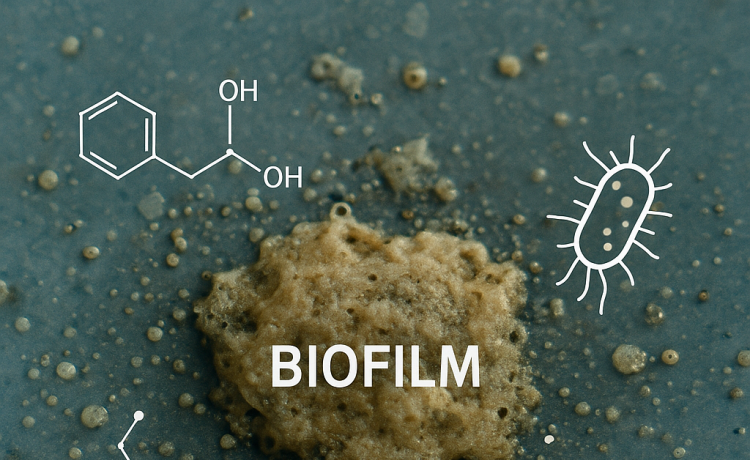
Surfaces with differing roughness, charge, and wettability influence the initial adhesion of foulants, while environmental parameters including temperature and pH modulate chemical bonding strength. Moreover, microbial fouling involves biofilm formation, a matrix that enshrines microorganisms and captures further particles, creating persistent and challenging deposits.
To elucidate these processes, researchers employ mathematical modeling capturing mass transport dynamics, reaction kinetics, and interaction thermodynamics. For example, fouling accumulation can be described by a rate equation incorporating mass transfer coefficients, foulant concentration, and surface coverage parameters. Such models enable predictions under variable conditions, guiding development of advanced anti-fouling strategies.
Advances in fouling research not only foster industrial improvements, such as more efficient marine coatings and cleaner water treatment membranes, but also extend to biomedical device design, environmental management, and energy applications. Understanding and controlling fouling mechanisms has broad implications for sustainability and public health.
Continued interdisciplinary research combining surface science, microbiology, chemical engineering, and materials science promises to unlock new innovations, transforming challenges of fouling into opportunities for technological progress and environmental protection.
Sources referenced:
- https://www.manilatimes.net/cdn-cgi/content?id=EPEzsOfRdUrzms1YYDXCU7vM3CfLmBjKCSSDenraDdQ-1794684053.0702212-1.2.1.1-0Lm4gy0Oii2T5DReqUQKQj2oMY0270GbJwm6ni02QNeOyrQq19ckVNBdmDI9bSdE