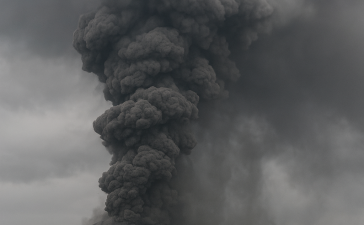



The escalating conflict in the Middle East has significant implications for overseas workers and international relations, with rising tensions between the US, Israel, and Iran.
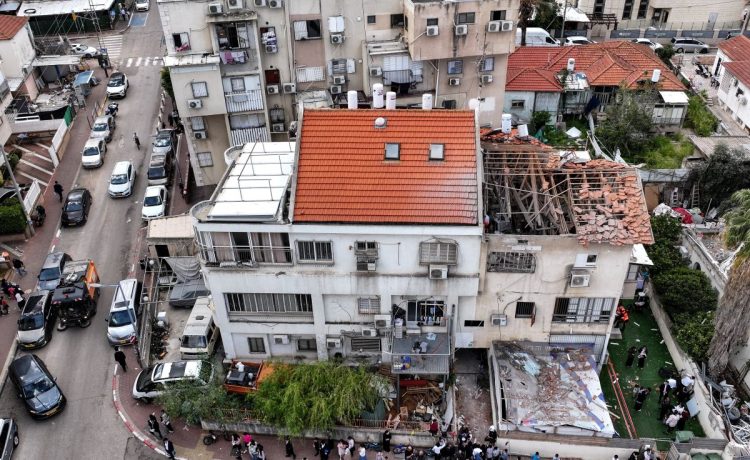
As of April 3, 2026, the conflict in the Middle East continues with heightened hostilities, particularly involving missile attacks on central Israel attributed to Iranian forces amid escalating tensions between the US, Israel, and Iran. These developments have sparked international concern due to their potential impact on regional stability and global economic conditions, notably oil prices.
Official sources have confirmed increased military exchanges, while reporting agencies highlight damage in residential areas such as Bnei Brak, Israel. Embassies in the region have issued advisories urging their citizens, including overseas workers, to remain vigilant and follow security protocols.
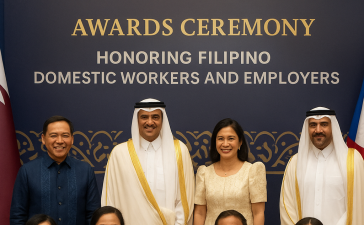
For overseas workers, especially from countries like the Philippines, India, Indonesia, Nepal, and Greece, it is critical to stay informed through official embassy channels and avoid non-essential travel to the affected areas. No direct reports have been released regarding labor complaints or job market disruptions linked to the conflict; however, monitoring remains essential given the evolving situation.
Researchers and institutions studying migration, labor markets, and international development are recommended to observe the conflict’s impact on displacement and economic conditions in the region closely. Meanwhile, official pronouncements from foreign ministries continue to emphasize diplomatic efforts to resolve tensions peacefully.
Sources referenced:
- https://www.gmanetwork.com/news/topstories/nation/982444/live-updates-conflict-in-the-middle-east-april-3-2026/story/