



Recent scientific studies on meiosis have unveiled critical insights into the cellular mechanisms driving genetic diversity and genome stability, with implications for genetics, evolution, and biology.
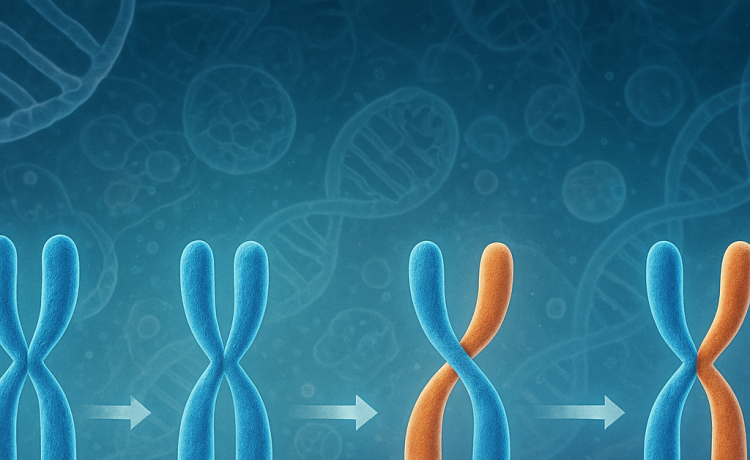
Meiosis, the specialized cell division producing haploid sex cells, is fundamental to genetic diversity and species survival. This process involves two sequential divisions, reducing chromosome numbers and enabling unique genetic combinations through mechanisms such as homologous chromosome pairing, crossing over, and independent assortment. Crossing over, the exchange of genetic material between homologous chromosomes during prophase I, ensures genetic variability and is now better understood at the molecular level due to advances in research on synaptonemal complex formation and chromatin structure.
Recent research has illuminated the role of small RNA molecules, including piRNAs and siRNAs, in regulating gene expression and maintaining genomic integrity during meiosis. Epigenetic modifications and chromatin dynamics further contribute to the precise control of meiotic events. Technological progress such as live-cell imaging and single-molecule localization microscopy has allowed scientists to observe chromosome behavior and recombination processes with unprecedented resolution.
Beyond traditional model organisms like yeast, mice, and humans, studies investigating meiosis in plants, insects, and other animals have expanded understanding of both conserved and diverse meiotic mechanisms across species. This broad comparative approach enriches knowledge about the evolution of meiosis and its impact on biological diversity.
These scientific advances underscore the intricate and finely regulated nature of meiosis, contributing to broader insights in genetics, evolutionary biology, and developmental sciences. Such research not only unravels fundamental biological processes but also lays groundwork for future applications in medicine, agriculture, and conservation biology.
Sources referenced:
- https://www.manilatimes.net/cdn-cgi/content?id=yCLpsYThVKuxMHHOXt0GwIjG10jaL3ytoyBJr5rXq5c-1792873254.8906615-1.2.1.1-3QDbtEKY35zVd7cM4Cj6BjOBMCY9qW2GKJa1_KJKnhRvSHXXZVgbdriMn5_9PG2q