
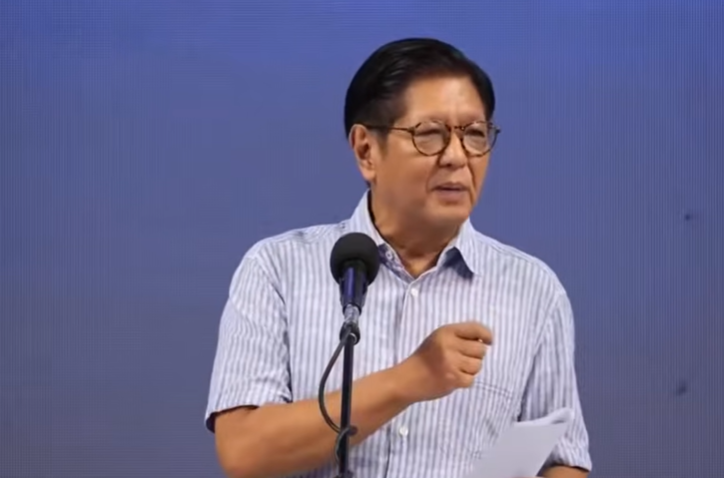
President Ferdinand 'Bongbong' Marcos Jr. called on Philippine senators to return to their legislative duties following repeated session cancellations that disrupted the Senate's legislative agenda.
In a statement from Manila, President Ferdinand ‘Bongbong’ Marcos Jr. expressed concern over the recent disruptions in the Philippine Senate caused by no-shows from the majority bloc, which led to the cancellation of plenary sessions. He condemned the legislative standstill, emphasizing the importance of passing laws to support government functions and public welfare, especially during times of emergency.
Marcos remarked that the lack of cooperation within the Senate leadership and the resultant disarray damaged public trust and impeded essential government legislation. He pointed out that both the Executive and Judiciary branches continue to fulfill their responsibilities, questioning why the Legislature would choose to halt work.
Highlighting procedural norms, Marcos noted that session cancellations require prior notice to the other chamber three days in advance and must be justified by valid reasons. He criticized the decision to cancel sessions due to disputes involving senators’ attendance, insisting such reasons were insufficient.
The president also indicated he was exploring constitutional and legal options to address the impasse but underlined the need for Senate cooperation. He clarified that the Executive’s powers are co-equal to the Legislature and stressed that the Senate must regulate itself.
Senator Imee Marcos, the president’s sister and part of the majority bloc, countered claims of inactivity, stating that committee hearings continue and investigations are ongoing. Conversely, minority senators called for Senate President Alan Peter Cayetano’s resignation over his leadership during the disruptions, a demand he dismissed by asserting the majority bloc’s actions were to protect committee integrity.
The situation remains tense, with concerns about its effect on governance and public service delivery as the Senate navigates internal conflicts.
Sources referenced:
- https://www.gmanetwork.com/news/balitambayan/balita/990066/marcos-sa-mga-senador-bumalik-na-kayo-sa-trabaho/story/