
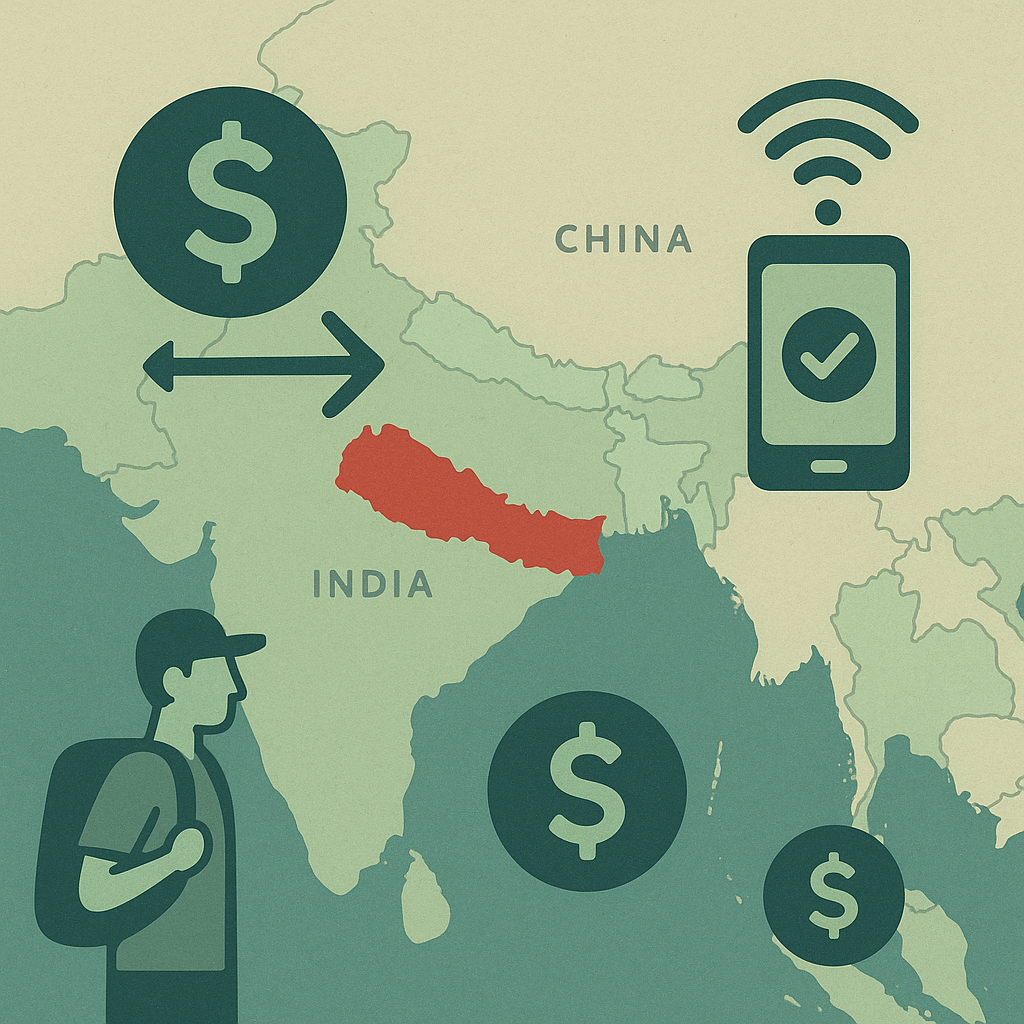
The World Bank identifies six main reasons remittance flows increased significantly in South Asia amid the pandemic, highlighting implications for countries with large overseas worker populations like Nepal.
During the COVID-19 pandemic, remittances to South Asia saw an unexpected surge, despite global economic disruptions. According to a World Bank analysis, there were six primary factors contributing to this increase: increased demand for financial support within families, restrained domestic employment opportunities, governmental support facilitating remittance channels, the resilience of migrant workers’ earnings particularly in essential sectors, shifts in currency exchange rates favoring sending countries, and reduced transaction costs with the adoption of digital platforms. This rise in remittance inflows has been critical for economies heavily dependent on overseas workers, such as Nepal, where remittances constitute a significant share of GDP and support household consumption and development funding. While the World Bank’s report is based on multiple data sources and economic modelling, it underscores the importance of remittance flows during global crises and encourages policy measures that enhance financial inclusion and reduce costs for migrant workers sending money home.
Sources referenced:
- https://news.google.com/rss/articles/CBMitAFBVV95cUxQV1RzZTEyOEJMQzFRbDM3LXBuMlc2Y0tnbEpQdjhXOWFoR0ZGSGZWMWdCV1hJMXlzZ0E3bFZ0OU1nZlB2Y19ydVVoMGxmZ0tVWEY2QXdKQ25xX3JfNVBxYzl3SFhZc19MVWhGcDA2SlU4c1NSMHpWVVBtZUxKMDVlNUZxdloyVms1M1B2N3BVMG43ZWlyRm9qcFpqVHVyTFZrVmUyTUE3YjdzREtRTlJzYVlXLVg