
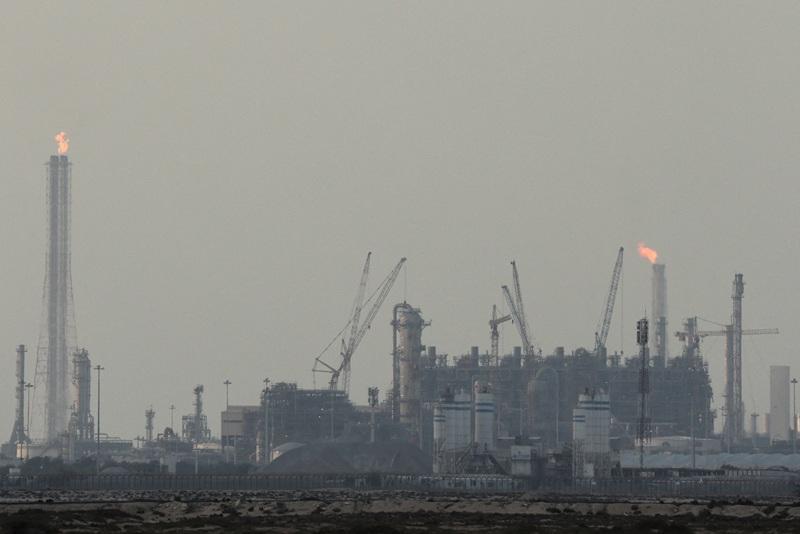
Iranian assaults have severely damaged Qatar's LNG infrastructure, leading to significant revenue losses and disruptions in global energy supplies, says QatarEnergy's CEO.
QatarEnergy, the state-owned energy corporation of Qatar, has revealed that recent attacks attributed to Iran have incapacitated approximately 17% of the country’s liquefied natural gas (LNG) production capacity. The damage, inflicted on two of Qatar’s 14 LNG trains and one of its two gas-to-liquids (GTL) facilities, is expected to take three to five years to repair. This disruption has already resulted in an estimated annual revenue loss of around $20 billion and poses a threat to LNG supplies to Europe and Asia.
Saad al-Kaabi, QatarEnergy’s CEO and Minister of State for Energy Affairs, described the attacks as unprecedented and expressed his dismay at assaults occurring during the holy month of Ramadan, especially from a Muslim nation. The attacks came amid escalating tensions linked to the ongoing US-Israeli-Iran conflict.
Due to the damage, QatarEnergy has declared force majeure on long-term LNG supply contracts affecting buyers in Italy, Belgium, South Korea, and China. The affected LNG trains include those partially owned by ExxonMobil, while the damaged GTL facility includes Shell among its partners. Repairs to the GTL site may take up to one year.
The attacks have broader implications beyond LNG; Qatar’s exports of condensate, liquefied petroleum gas (LPG), helium, naphtha, and sulfur are also expected to decline significantly. These reductions impact various industries globally, from LPG used in restaurants in India to helium crucial for semiconductor manufacturing in South Korea.
Kaabi highlighted that no current work is progressing on Qatar’s North Field expansion project, which may face delays exceeding one year. He called on all parties involved in regional conflicts to avoid targeting energy infrastructure, emphasizing its critical role in global energy security and regional stability.
The overall damage to the affected LNG and GTL units is estimated to have cost approximately $26 billion to construct, marking a significant setback both economically and in terms of regional energy production capacity.
Sources referenced:
- https://www.gmanetwork.com/news/topstories/world/980683/iran-attacks-wiped-out-17-of-qatar-s-lng-capacity-for-up-to-5-years-qatarenergy/story/