
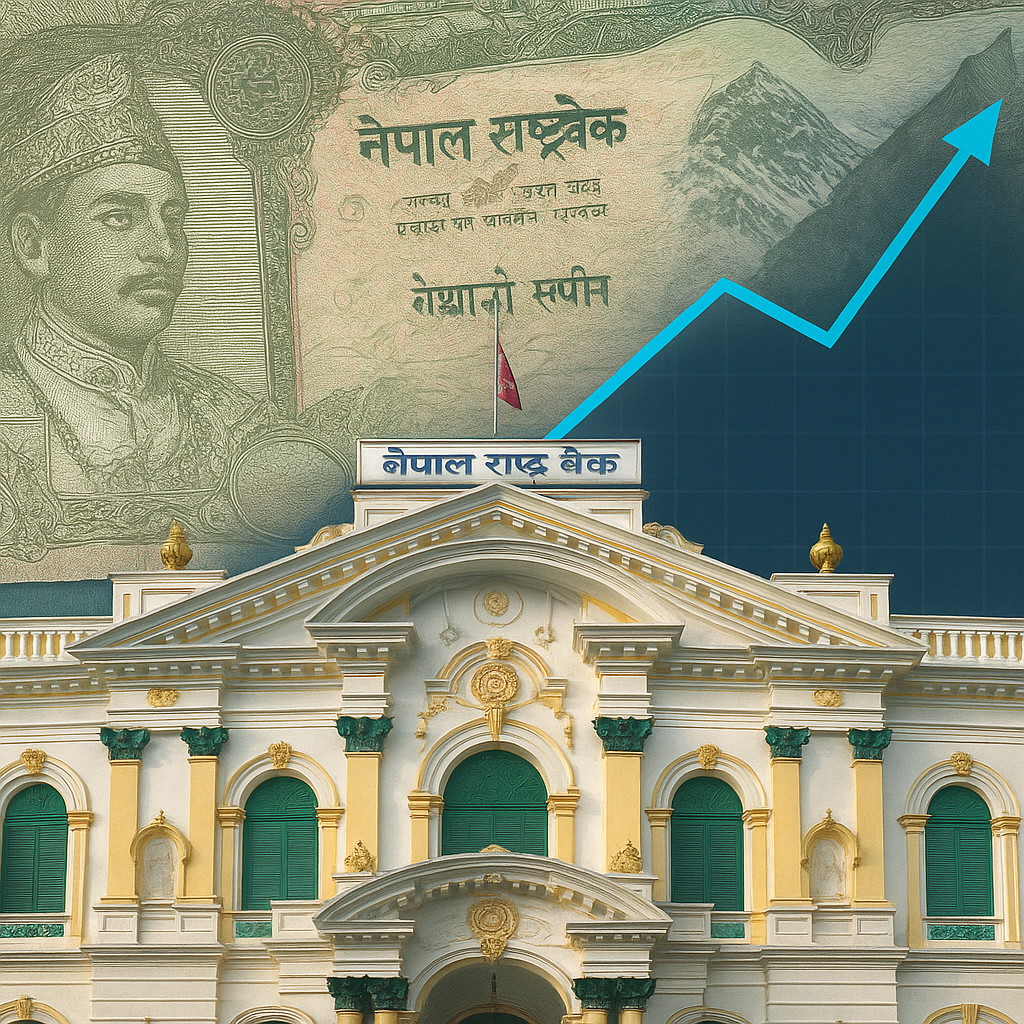
Despite an abundance of liquidity, Nepal's banks face challenges in attracting borrowers, impacting the financial sector and economy.
Nepal’s banking sector is currently experiencing a paradoxical situation: banks are flush with cash yet are struggling to find borrowers. This unusual phenomenon has been attributed to a cautious approach from potential borrowers, low investment appetite, and economic uncertainties. The surplus liquidity in banks indicates that money inflows—partly supported by strong remittance inflows from Nepalese workers abroad—are not translating into increased credit demand. Financial analysts suggest that this trend could slow economic growth, as credit availability is a key driver for business expansion and consumer spending. The Nepal Rastra Bank and financial institutions are exploring strategies to stimulate borrowing and investment, aiming to balance liquidity and credit growth to support the country’s economic development. This issue is of particular importance to remittance-dependent economies like Nepal, where overseas laborers’ earnings significantly impact the financial sector dynamics.
Sources referenced:
- https://news.google.com/rss/articles/CBMiqgFBVV95cUxNcGVkUWc5T3RuVkF6VUp3TXJqOGthODVjTWpMTmFEaExSZVFpcmJXd1hGOHpBemVqVkZwQmN0OFBzVHFTUjlURWVCZ0V3RlRwMzlDUFg0YjN5eDJia2ZnYUJ4QjlzbXdfeGxobnhPSlNSZVVsZ01sREZJVlB6WExhQ0JZNzQtZXhTTXpzcXNQUmFacDFzTlJVRC10RF95ZjZsVjFEVlBmWFlUQQ