
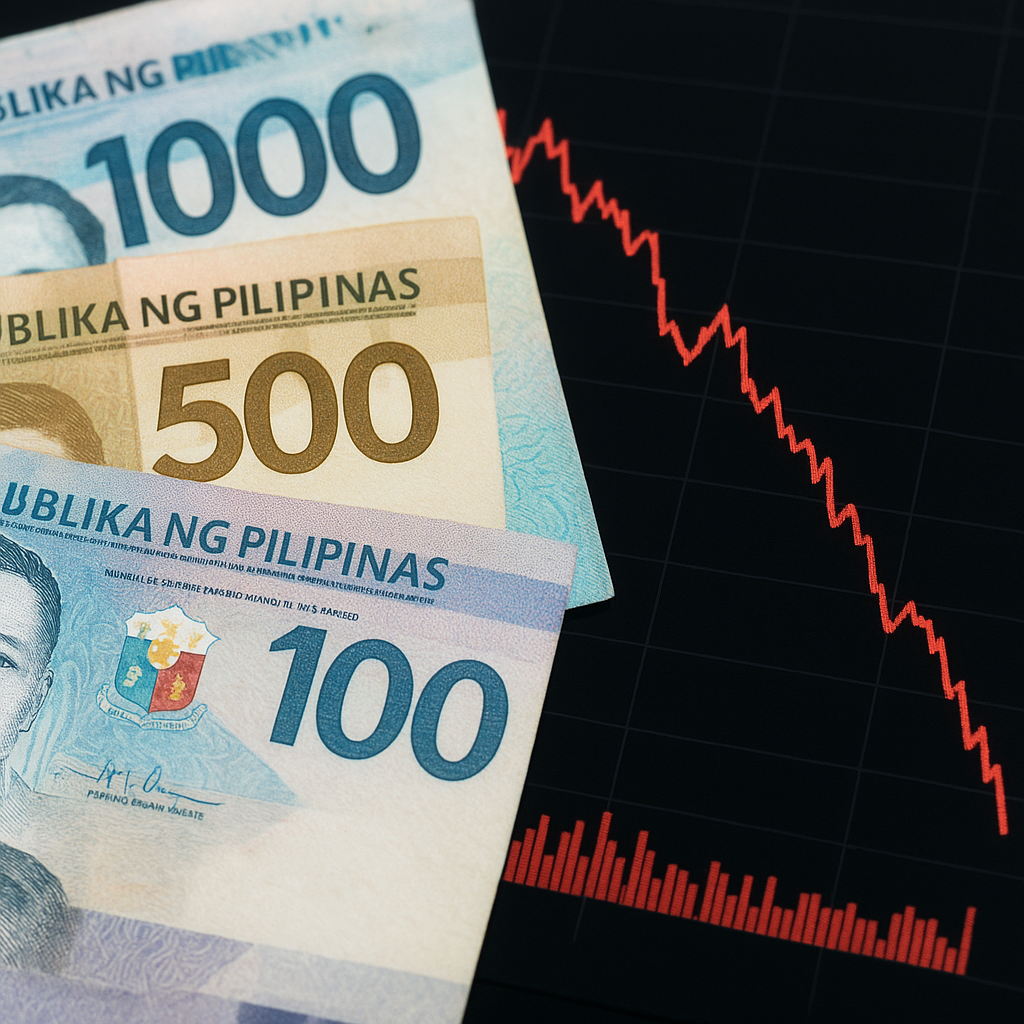
An analysis of factors influencing the Philippine peso's depreciation and who stands to gain from the currency weakness.
The Philippine peso has experienced notable weakness against major currencies recently, prompting economic analysts and policymakers to investigate underlying causes and beneficiaries of this trend. Factors contributing to the peso’s depreciation include persistent inflationary pressures, external global uncertainties, and the Philippine central bank’s monetary policies. The weaker peso impacts overseas Filipino workers (OFWs) sending remittances home, as their foreign earnings translate into fewer pesos, affecting their purchasing power and families dependent on these funds. However, a weaker peso can benefit exporters and sectors relying on foreign investment, as it makes Philippine goods and services more competitively priced internationally, potentially boosting economic development.
The Philippine government and financial authorities continue to monitor exchange rate fluctuations closely, emphasizing measures to stabilize the currency and protect the interests of OFWs and the wider economy. Research institutions and economic experts advocate for comprehensive strategies addressing inflation, foreign exchange reserves, and attracting sustainable investments. The dynamics of the peso’s value remain a crucial issue for the labor market, remittance flows, and overall economic growth in the Philippines.
Sources referenced:
- https://www.bloomberg.com/news/articles/why-is-the-philippine-peso-so-weak-and-who-benefits