
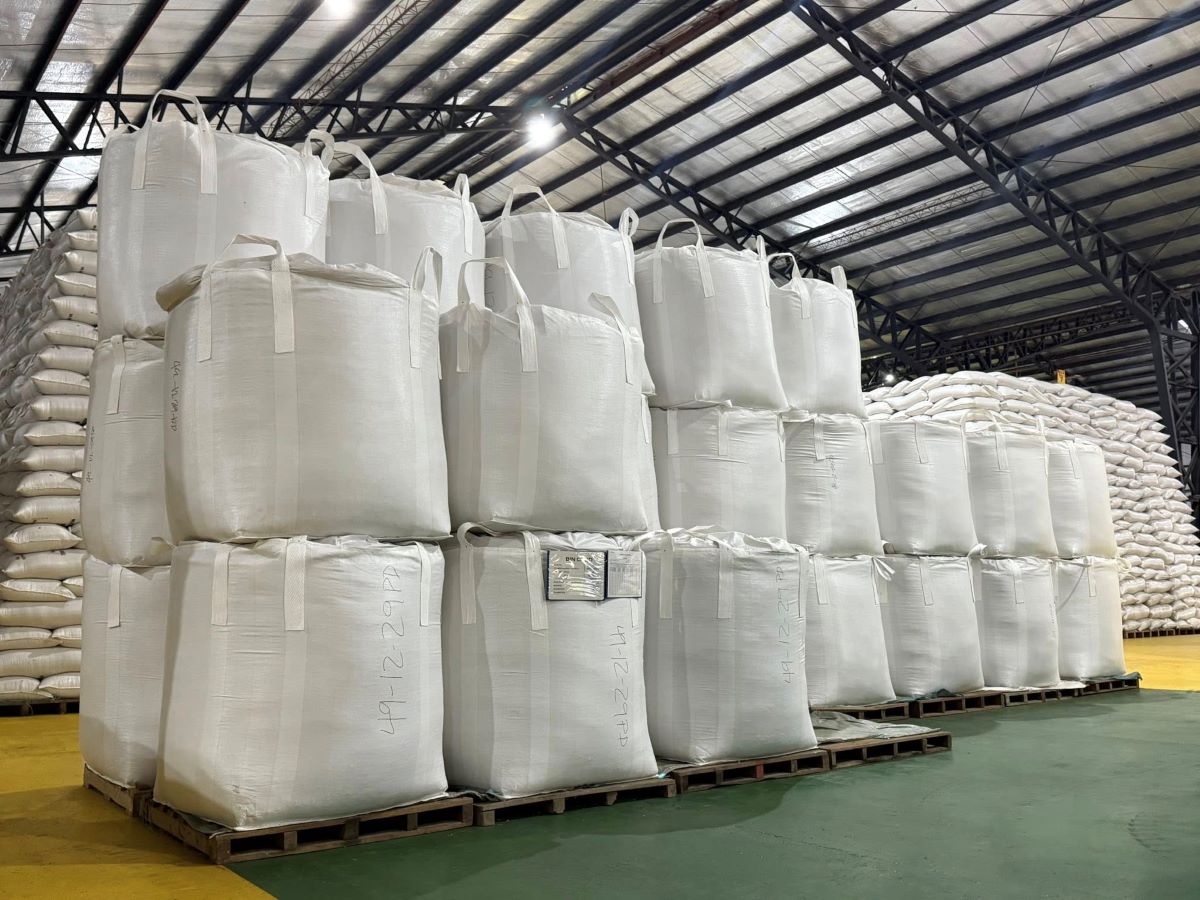
The National Food Authority's trial use of one-ton flexible polypropylene bags for palay has reduced handling time from one hour to just 15 minutes, lowered costs, and improved warehouse space utilization, offering potential benefits for rice procurement and farmers.
The Philippines’ National Food Authority (NFA) has successfully piloted the use of one-ton flexible bags, also known as tonner bags, for handling palay (unhusked rice). Conducted in October 2025 across NFA branches in Nueva Ecija, Occidental Mindoro, and Davao del Sur, this initiative demonstrated a 75 percent reduction in handling time—from one hour to just 15 minutes. Handling costs were reduced by half as well, according to NFA Administrator Larry Lacson.
These tonner bags replace traditional 50-kilogram sacks and are made from woven polypropylene, designed to resist moisture and dust. The bags are compatible with forklift handling, significantly reducing manual labor such as lifting, sewing, and stacking. This modernization effort aims to improve food safety of rice stocks and increase operational efficiency.
Initial trials indicated moisture levels remained safely low with minimal spillage, while pest infestation was controlled effectively. The enhanced efficiency also allows better warehouse space utilization.
The Department of Agriculture (DA) underscored the broader impact of this advancement, noting that lowered handling costs and improved storage efficiency could enable the NFA to procure more palay from farmers using the same resources. DA Secretary Francisco Tiu Laurel Jr. remarked that this development could translate into more fair market purchases from rice farmers, supporting the agricultural sector.
Despite promising results, officials continue to seek improvements in storage safety and pest control to further secure palay stocks. The pilot project signifies a notable step towards modernizing the country’s rice procurement and storage processes, potentially benefiting farmers and the national food security framework alike.
Sources referenced:
- https://www.gmanetwork.com/news/topstories/nation/1007919/nfa-one-ton-bag-use-cuts-palay-handling-time-from-1-hour-to-just-15-minutes/story/