
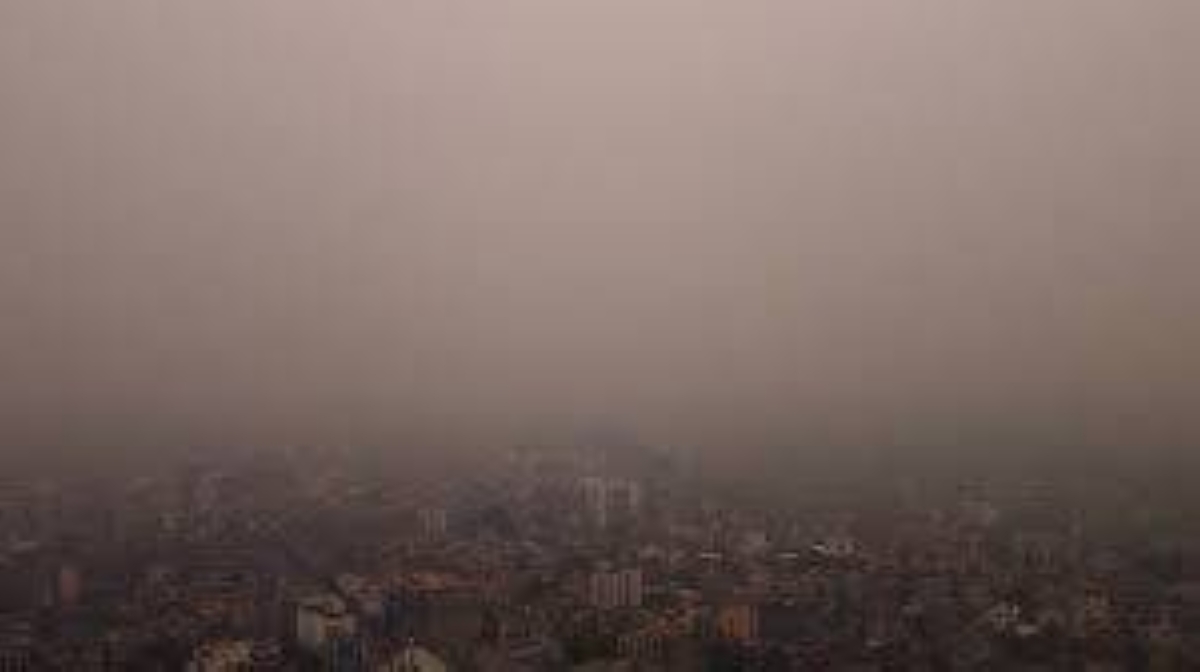
Nepal’s ambition to improve air quality requires policy coherence and sectoral reforms alongside climate finance, researchers emphasize.
Kathmandu, Nepal – As Nepal intensifies efforts to achieve cleaner air, experts warn that climate finance alone will not suffice to meet the country’s clean air vision. According to Sanjay Acharya, Member of Nepal’s National Planning Commission, and Ashish Tiwari, Air Lead at the International Centre for Integrated Mountain Development (ICIMOD), aligning financial support with coherent policies and sectoral reforms is critical to addressing Nepal’s multifaceted air pollution challenges.
Nepal aims to mobilize approximately $73 billion by 2035 to meet mitigation targets set forth in its Third Nationally Determined Contribution (NDC), which includes a goal to reduce net greenhouse gas emissions by 26% within the decade. While clean air is not explicitly framed as a standalone target in the NDC, key mitigation strategies—such as clean transportation, clean cooking technologies, and industrial transitions—offer significant co-benefits for air quality improvement.
The country’s National Air Quality Management Action Plan (NAQMAP) represents a pivotal opportunity for cohesive action. It seeks to integrate multiple sectors contributing to air pollution—transport, industry, agriculture, energy, waste, and public health—into a unified framework. This plan emphasizes evidence-based policymaking supported by robust data, institutional capacity building, and continuous monitoring.
Industry consultations have highlighted barriers such as the affordability of cleaner technologies, financial instruments, and the need for a stable regulatory environment and incentives to encourage transition. To address these, experts advocate for mixed financing mechanisms including green budget tagging, green credit, blended finance, and targeted incentives to distribute risks associated with transitioning to cleaner technologies.
Nepal’s existing Climate Change Budget Code Framework (2012) and Climate Change Financing Framework (2017) provide foundational mechanisms for climate-oriented fiscal policy. The National Planning Commission’s coordinating role across ministries is viewed as essential for embedding clean air objectives within the broader national development agenda.
Furthermore, collaboration with development partners and financial institutions is critical to provide both finance and technical expertise necessary to implement NAQMAP effectively. Integrating mitigation of short-lived climate pollutants with clean air actions could address interconnected issues such as air pollution, black carbon impacts on glaciers, global warming, and water security in downstream countries.
Acharya and Tiwari conclude that while financing is vital, achieving clean air in Nepal demands synchronized efforts involving finance, data-driven policies, institutional reforms, and inclusive stakeholder engagement to transform plans into tangible improvements in air quality.
Sources referenced:
- https://thehimalayantimes.com/opinion/climate-finance-it-alone-not-enough-for-nepals-clean-air-vision