
A legislative proposal aims to establish a Magna Carta safeguarding the rights of informal ambulant vendors, recognizing their economic contributions and improving their working conditions.
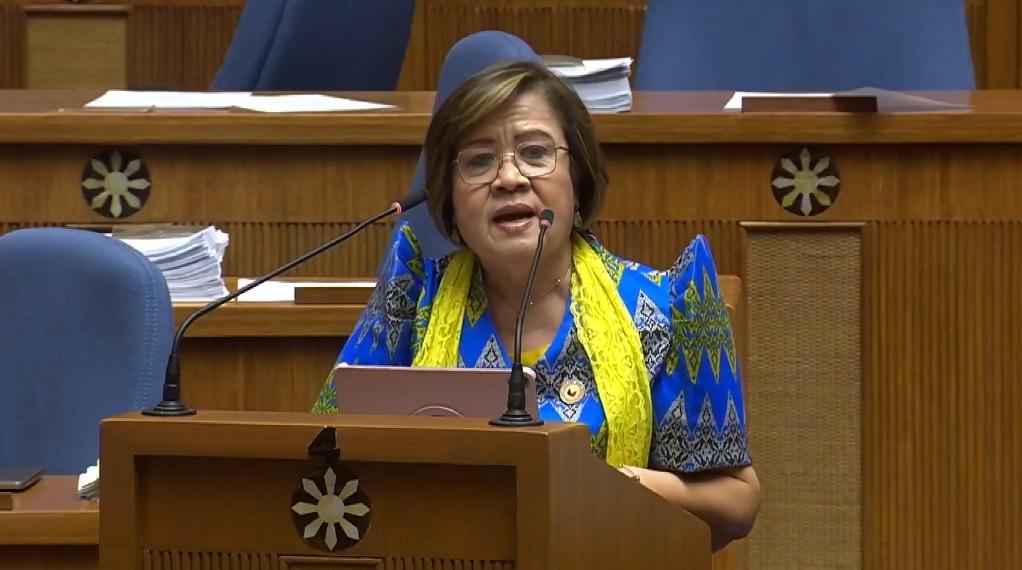
Mamamayang Liberal Party-list Representative and Senior Deputy Minority Leader Leila de Lima has formally filed House Bill No. 10043 proposing the establishment of a Magna Carta specifically for informal ambulant vendors in the Philippines. This legislative initiative intends to safeguard the rights of these vendors, who are often visible yet among the least protected workers within the informal economy, and to acknowledge their vital role in the country’s economic landscape.
The proposal highlights the daily struggles faced by ambulant vendors—including insecurity regarding their vending locations, lack of capital, unstable income, and challenges accessing government assistance. De Lima emphasized that many vendors earn minimal or no income on some days, particularly when they are removed from their selling areas without alternatives, or burdened with high rental fees and contributions to allow their vending.
Key provisions of the proposed Magna Carta include free and simplified registration procedures, designation of secure vending sites by local government units (LGUs), recognition of vendors across LGUs, and access to social protection programs such as social security, health care, and insurance.
Additionally, the proposal calls for the creation of a Local Inter-Agency Council responsible for identifying proper vending locations, ensuring vendor protections, facilitating consultations, due process, and arranging appropriate temporary or relocation sites before vendors face displacement.
Representative de Lima noted that the bill incorporates elements from prior legislative efforts, including House Bill 11337 from the 19th Congress and Senate Bill No. 1099 in the 20th Congress by Senator Sherwin Gatchalian. Similar measures have been introduced by other lawmakers in the current Congress, underscoring a growing recognition of informal vendors’ needs.
Sources referenced:
- https://www.gmanetwork.com/news/topstories/nation/995361/magna-carta-of-informal-ambulant-vendors-proposed/story/