
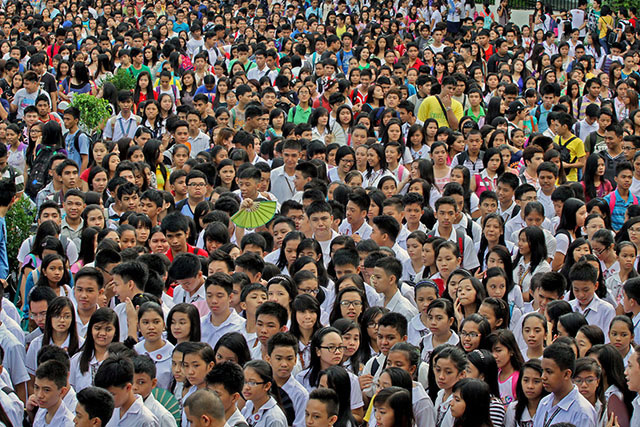
Despite comprehensive education aimed at critical thinking and societal contribution, many Filipino graduates seek opportunities abroad due to lack of domestic employment and development.
In educational institutions throughout the Philippines, students receive training designed to sharpen critical thinking, effective communication, and active citizenship. However, many graduates find themselves compelled to pursue futures abroad. At a recent University of the Philippines (UP) Diliman forum, educators and experts discussed this trend, highlighting the disconnect between high academic preparation and limited local economic absorption.
UP professor Giovanni Tapang remarked that while the educational system produces capable graduates, the domestic economy cannot fully accommodate them, which drives migration. The debate around General Education curriculum reform, including potential reductions in coursework, was reframed to acknowledge that educational quality alone does not address the broader issue of insufficient development opportunities within the country.
UP Dean Ruth Lusterio-Rico emphasized the ambition to cultivate graduates who excel not only as skilled professionals but also as ethical, critical, and socially responsible citizens. Likewise, Edizon Fermin, part of the Commission on Higher Education’s panel, described the ideal graduate as someone equipped with both “agency” and “urgency” to engage meaningfully with society.
Despite these aims, many graduates opt for overseas education and employment opportunities. Data from the U.S. Embassy indicates a 50% increase in Filipino students studying in the United States over the past decade, with STEM fields seeing notable interest, alongside arts and humanities. Jessica Simon, U.S. Embassy Counselor for Public Affairs, notes that initiatives like the EducationUSA University Fair encourage Filipino students to consider American universities.
Experts underscore that while education can prepare youth, it cannot substitute for robust industrialization and domestic economic development. Thus, addressing the systemic political and economic issues limiting local opportunities is crucial to retaining talent and fulfilling the aspirations that education instills.
Sources referenced:
- https://www.gmanetwork.com/news/topstories/nation/988735/discussion-filipino-students-are-ready-to-lead-but-why-are-they-leaving/story/