
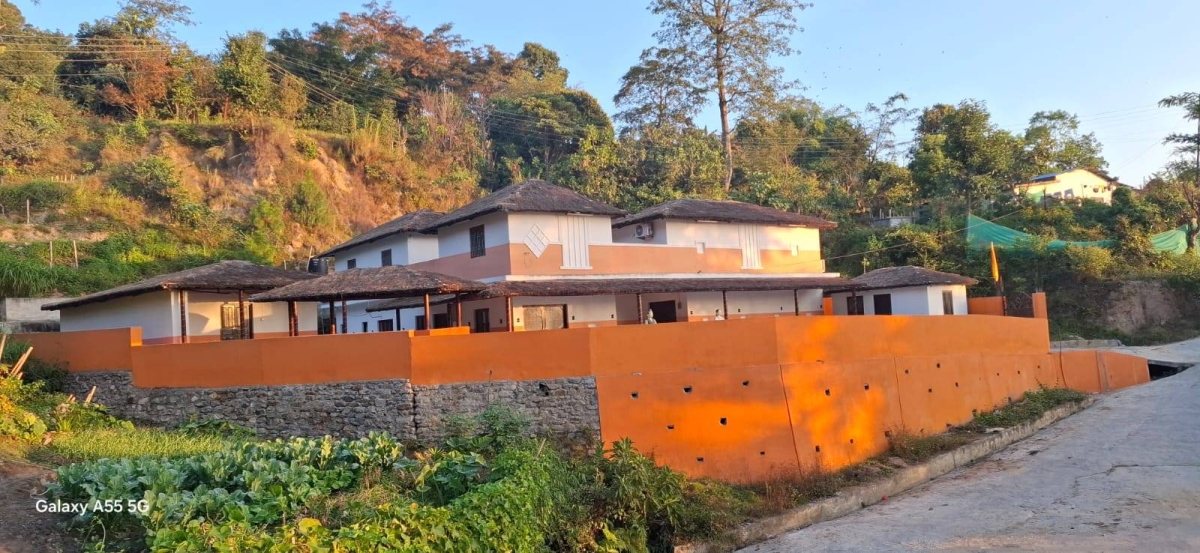
The museum dedicated to preserving the Aathpahariya community’s cultural heritage remains unopened due to unresolved management and staffing issues, impacting efforts to document and promote the minority group's traditions.
The Aathpahariya Museum, constructed to safeguard the language, history, and cultural heritage of Nepal’s minority Aathpahariya community, remains closed more than a year after its completion. Located near Dhankuta’s historic Thursday market, the two-storey museum was built at a cost of Rs 25.8 million, with funding contributed by both the federal government and Dhankuta Municipality.
Originally scheduled to open during the community’s Wadangmi festival last year, the museum’s launch has been delayed due to ongoing uncertainty surrounding operating procedures, staffing, security, and exhibition management. These unresolved issues have prevented the museum from beginning its crucial role in preserving and promoting the traditions of the approximately 6,000-strong Aathpahariya population concentrated mainly in Dhankuta Municipality.
Designed to reflect traditional architecture, the museum’s exhibits are intended to showcase the community’s clothing, musical instruments, agricultural tools, household items, and objects of religious and cultural importance. It also plans to document vital aspects of the Aathpahariya’s customs, rituals, and lifecycle practices—from birth to death—including information about their unique traditional large houses known as Margathani and Chule.
The Aathpahariya community is noted for its distinct language, customs, and festivals such as Bishu, Nwagi, and the prominent Wadangmi, celebrated with traditional dances and rituals significant to the group’s cultural identity. Community leaders highlight the importance of the museum as a means to protect their cultural identity, especially against the pressures of modernization and generational shifts.
Dhankuta Municipality officials have acknowledged the need to finalize critical arrangements for operating the museum, mentioning that it may initially be managed by municipal staff before handing over responsibility to community organizations upon revenue generation. Both community members and municipal authorities anticipate the museum will become a valuable resource for researchers and attract domestic and international visitors, fostering greater understanding and appreciation of the Aathpahariya heritage.
Sources referenced:
- https://thehimalayantimes.com/nepal/aathpahariya-museum-remains-closed-more-than-a-year-after-completion