
The Department of Environment and Natural Resources initiates efforts to restore wetlands, rivers, and coral reefs to mitigate drought impacts amid a prolonged El Niño event.
The Philippines Department of Environment and Natural Resources (DENR) has launched a comprehensive nationwide program aimed at restoring critical wetlands, rivers, and coral reefs across the country. This initiative is part of the department’s strategy to cushion the impacts of the ongoing strong El Niño phenomenon, which is expected to last until at least March or June 2027 and bring about widespread drought and elevated temperatures.
Environment Secretary Juan Miguel Cuna highlighted the importance of protecting ecosystems as natural buffers against extreme heat. He emphasized that restoration activities include extracting nearly 100 metric tons of waste from Manila Bay tributaries, preserving the hydrology of the Agusan Marsh peatlands, and safeguarding heat-stressed coral reefs in Masbate and Aurora.
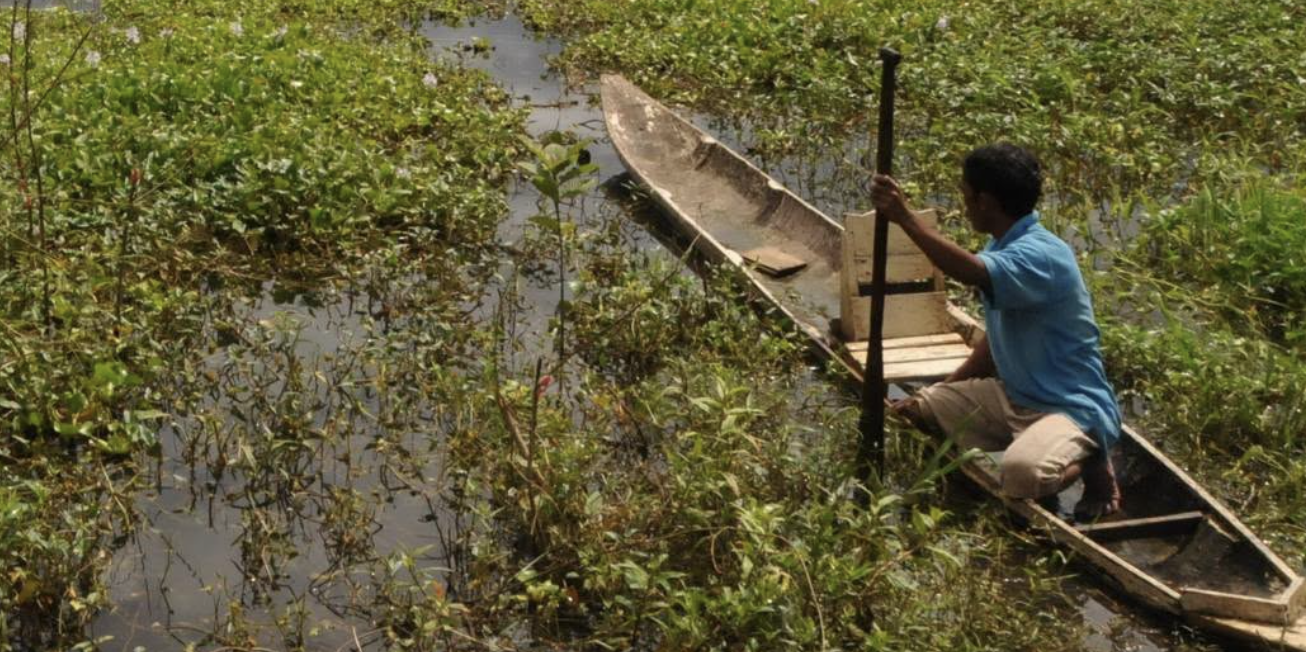
In partnership with the Department of Labor and Employment’s TUPAD program, the DENR deployed River Rangers who removed over 15,000 sacks of solid waste from Pampanga waterways, ensuring unobstructed water flow. Additionally, reforestation and monitoring efforts are ongoing in the Agusan Marsh Wildlife Sanctuary to preserve carbon-storing peatlands that regulate water and local climate.
Regional offices are also actively monitoring marine heat stress and coral bleaching in provinces including Masbate, Aurora, Bataan, and Zambales to protect marine biodiversity.
According to the Philippine Atmospheric, Geophysical and Astronomical Services Administration (PAGASA), approximately 40 provinces will experience reduced rainfall during this dry spell, with the number likely to double by January 2027. Temperatures are forecasted to rise as high as 38.7 degrees Celsius.
To enhance preparedness, the DENR has deployed early warning systems utilizing automated weather stations, satellite-based heat stress monitoring, and GIS-based risk modeling. These tools will support timely response to prevent severe environmental damage and help vulnerable communities withstand El Niño’s effects.
This program underscores the government’s commitment to environmental protection and community resilience in the face of climate variability and extreme weather events.
Sources referenced:
- https://www.gmanetwork.com/news/topstories/nation/1007609/denr-launches-restoration-program-for-wetlands-rivers-amid-el-ni-o/story/