
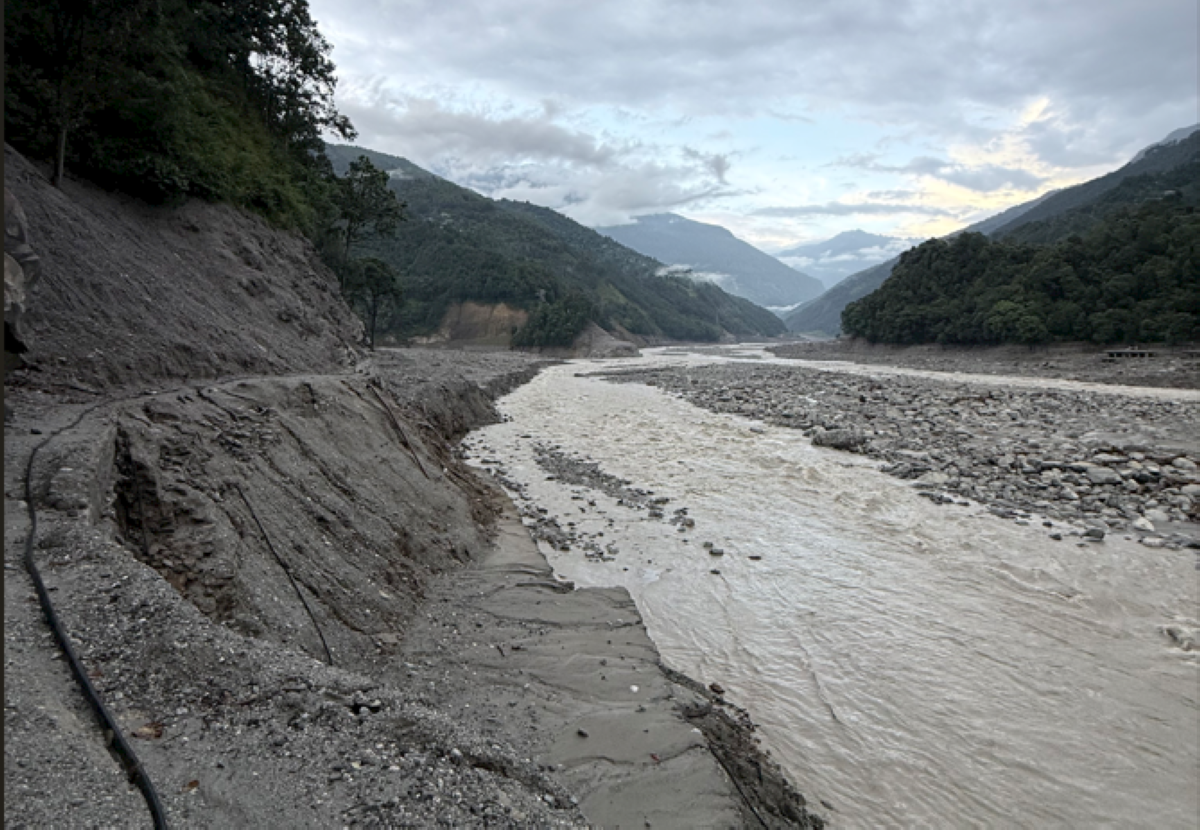
Flash floods on 26 August 2026 severely impacted Nepal’s Rasuwa, Nuwakot, and Dhading districts, wiping out entire villages like Sole in Nuwakot and leaving thousands dead or missing, with survivors urgently needing long-term rehabilitation and support.
On 26 August 2026, powerful and sudden flash floods swept through Nepal’s Rasuwa, Nuwakot, and Dhading districts along the border with Tibet, causing widespread destruction and loss of life. The floods washed away homes, roads, bridges, and entire villages, effectively cutting off communities from access to aid and communication. Official reports estimate that at least 94,241 people were affected by the disaster, including over 3,300 children. Tragically, more than 1,400 individuals have died, many of them children, and thousands more remain missing as rescue operations continue.
One of the hardest hit communities was Sole village in Bidur-07, Nuwakot, located opposite Betrawati Bazaar. Formerly a peaceful rural area, Sole’s residents primarily depended on agriculture and livestock for their livelihood. The floods struck with little warning, catching most inhabitants unprepared due to inadequate early warning systems and a common belief that the danger would remain limited to the main river. As a result, few evacuated in time.
Resident Babin Rijal recounts the immense personal losses: both his parents, livestock including cows and goats, and the agricultural lands that sustained his family were destroyed. The emotional and material costs have been devastating; the area that once held their homes and farms has been subsumed by the river.
The village of Sole was completely wiped out, with approximately 85 people missing from that community alone. The survivors are now scattered, sheltering in makeshift arrangements with relatives or in temporary camps, often without basic necessities such as clean water, food, or medical care. Children and vulnerable populations face severe trauma and health risks amid the ongoing monsoon season.
Infrastructure damage, including destroyed bridges and roads, has hampered relief efforts. While emergency aid is being delivered to the wider region, affected communities like Sole urgently require sustained support and long-term rehabilitation plans. Survivors are calling for government and international assistance to relocate communities to safe land, rebuild flood-resilient homes and infrastructure, revive agriculture-based livelihoods, and restore essential services such as schooling for children.
This disaster highlights the critical need for improved early-warning systems, disaster preparedness, and resilient infrastructure in Nepal’s flood-prone regions to protect vulnerable rural communities against increasingly frequent extreme weather events.
Sources referenced:
- https://thehimalayantimes.com/blogs/voices-from-sole-nuwakot-losing-my-family-and-village-in-the-26-august-2026-nepal-floods