
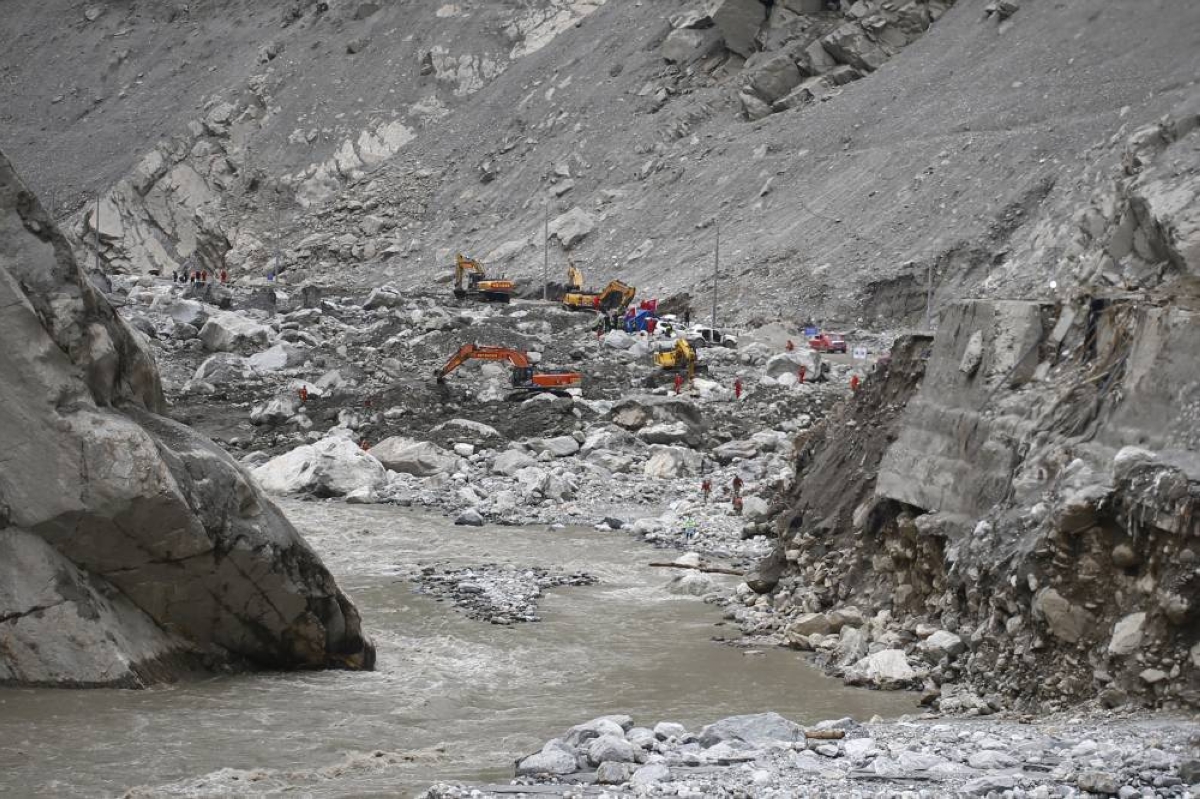
Following a recent catastrophic natural disaster in Nepal, experts emphasize the need for proactive strategies to mitigate risks and enhance resilience before the next event occurs.
Nepal recently endured a catastrophic natural disaster that starkly highlighted the immense power and complexity of natural phenomena. While immediate efforts continue focusing on rescue, relief, and recovery, experts Dr. Sanjay Giri and Dr. Nagendra Kayastha urge a critical reflection on future preparedness. They emphasize that natural hazards, though inevitable, can have their impacts lessened by influencing human settlement patterns, infrastructure development, river management, and land use policies in hazard-prone areas.
Historical data shows that Nepal has long faced hydrometeorological and geomorphological disasters. Despite extensive research, data collection, and policy discussions over the years, the country continues to face significant challenges in disaster risk management. The experts call for integrating scientific knowledge into practical decision-making to prevent repeating past mistakes.
Key recommendations include stricter regulation on infrastructure projects in vulnerable areas, community involvement in disaster preparedness, improved early warning systems, and better data sharing among agencies. The ongoing disaster underlines the urgency to rethink and redesign Nepal’s approach to disaster risk, aiming at sustainable development that prioritizes human safety and resilience against future natural hazards.
Sources referenced:
- https://thehimalayantimes.com/opinion/rethinking-disaster-risk-in-nepal-what-will-we-do-differently-before-the-next-natural-hazard