
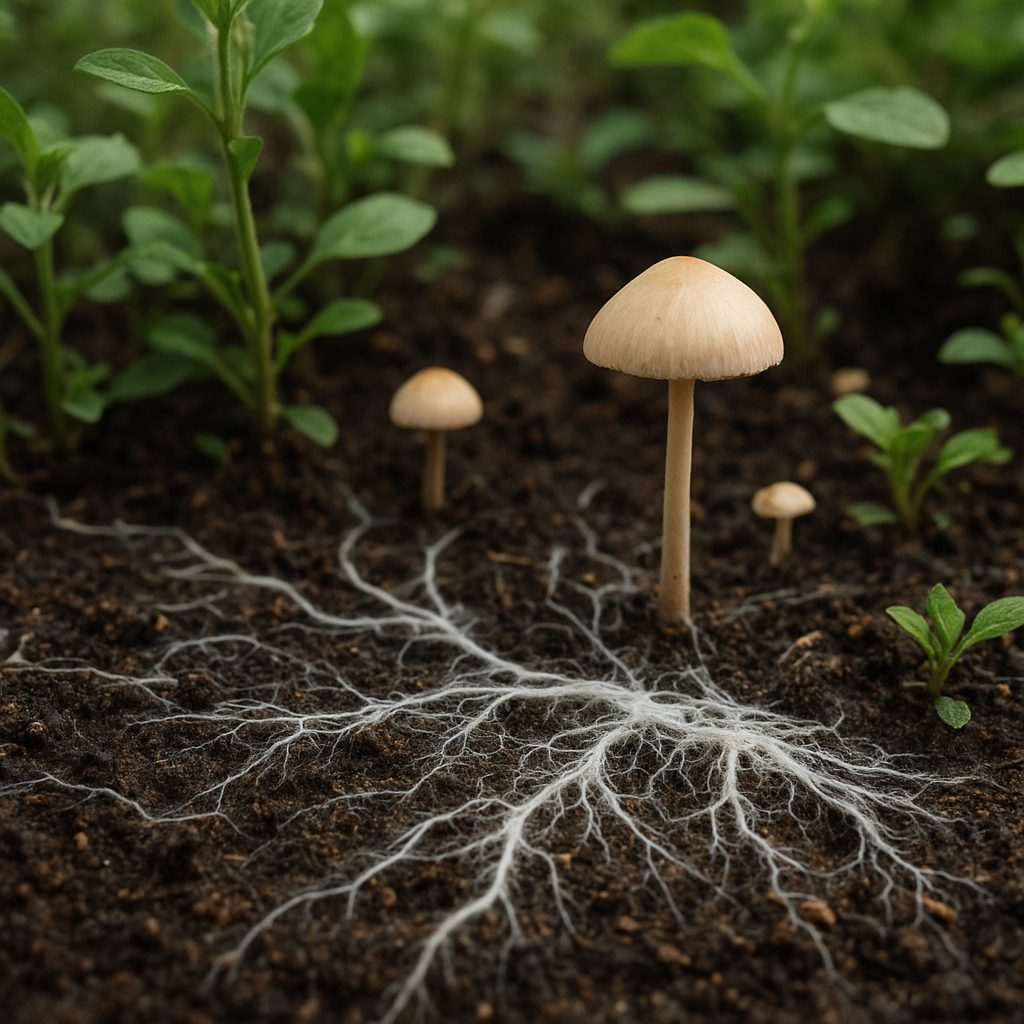
Scientists are advancing mycoremediation technology, which utilizes fungi to degrade pollutants and restore ecosystems, offering a sustainable alternative to conventional clean-up methods.
Mycoremediation is an emerging scientific approach that leverages the natural capabilities of fungi to remediate environments contaminated with toxic pollutants. This bioremediation technique uses the mycelium—the vegetative part of fungi—to break down complex organic chemicals, including hazardous substances like polycyclic aromatic hydrocarbons, pesticides, and heavy metals, into harmless compounds.
Certain fungal species such as the oyster mushroom (Pleurotus ostreatus) and the turkey tail mushroom (Trametes versicolor) have been identified for their efficiency in targeting specific contaminants. These fungi produce powerful enzymes like laccase and peroxidase that catalyze the degradation process in polluted soils and water systems.
Compared to traditional remediation methods that often involve costly chemical treatments and disruptive excavation, mycoremediation presents a sustainable, cost-efficient, and less invasive solution. Additionally, fungi can form symbiotic relationships with plants, enhancing nutrient uptake and promoting healthier ecosystems.
Ongoing research continues to uncover the broader ecological benefits of fungal remediation and its potential contributions to combating pollution and climate change. By advancing this technology, there is hope to develop innovative, nature-based strategies for environmental restoration worldwide.
Sources referenced:
- https://www.manilatimes.net/cdn-cgi/content?id=ppLYg_j47Yh6CFseu8Bh8oBv5HNqw3J3YPHZ6._7MLU-1788726058.8932283-1.2.1.1-iNUg_Fwo8JMmsdnxdoy3LG.6dLsXPAsUdCGIcfKAUf6WGxC13g7UNarK6R2NUrcd