
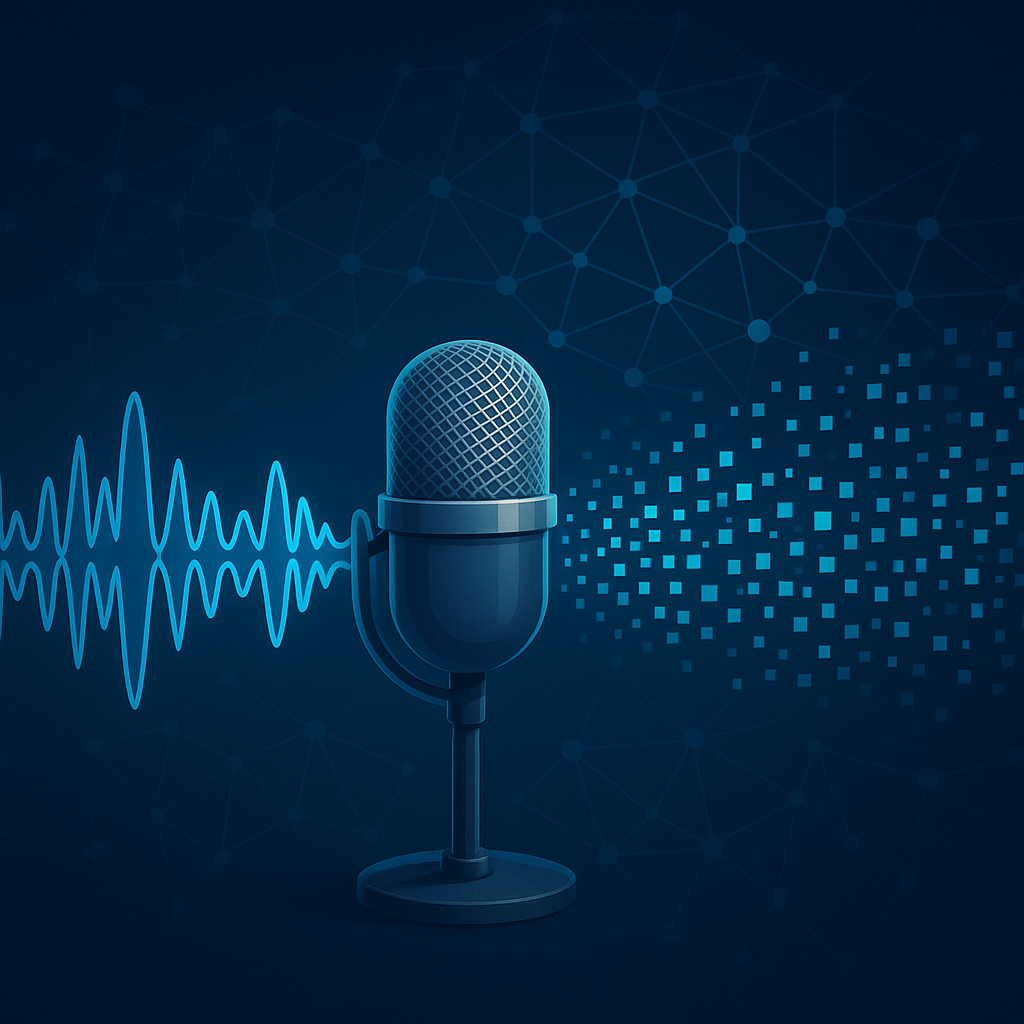
Speech recognition technology is rapidly evolving, using machine learning and neural networks to convert spoken language into text with increasing accuracy, despite ongoing challenges.
Speech recognition technology has seen remarkable progress, employing advanced algorithms that convert spoken language into text. This technology powers virtual assistants like Siri and Alexa, transcription services, and voice-controlled devices. The process begins with capturing audio signals, which are analyzed for features such as pitch, tone, and rhythm. Among the challenges faced are variations in human speech, accents, dialects, and background noise. To address these, systems utilize machine learning trained on extensive speech datasets and deep learning with neural networks to identify phonemes, the smallest units of sound in language.
Recurrent neural networks (RNNs) play a significant role by processing sequential audio data, capturing the dynamic flow of speech. Acoustic modeling, which statistically links audio signals to phonemes, further enhances recognition accuracy. Despite advancements, challenges remain, particularly in noisy environments and with languages that have complex grammatical rules or non-standard dialects.
Recent speech recognition systems have achieved accuracy rates exceeding 95%, approaching human-level performance. Looking forward, applications are expanding into smart homes, healthcare, education, and aiding individuals with disabilities. As technology evolves, future developments may enable recognition of emotional tone and nuances in human speech, promising to revolutionize communication between humans and machines.
Sources referenced:
- https://www.manilatimes.net/cdn-cgi/content?id=.SxbweD4q63Ozr.U7_LpVQ6HrIl3rLbhXxAPHR9o1EY-1788351653.3805482-1.2.1.1-rp9YngSsj7TG1laLExId3611kGFjj1ZM162mo9.13wY0wfr0bed54xAaN3D9CcVw