
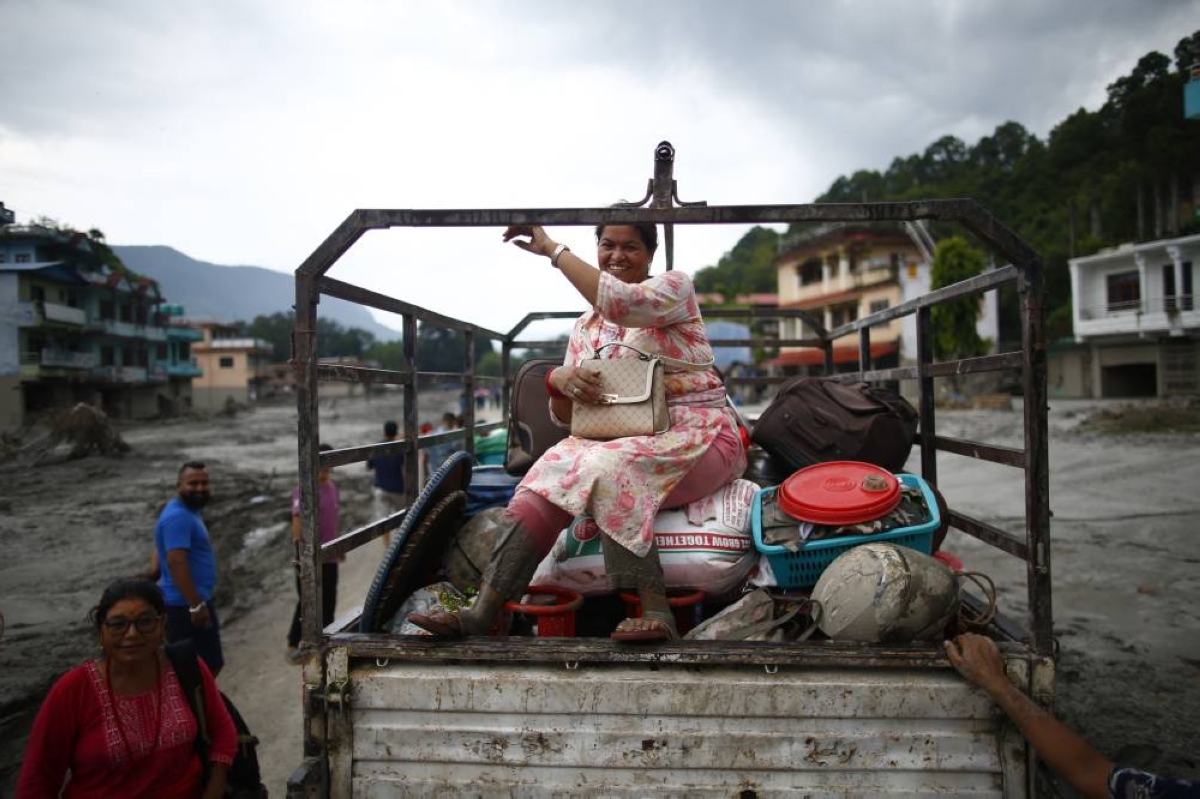
A glacial collapse triggered flash floods and mudslides in Devighat, Nuwakot district, causing death, displacement, and widespread destruction. Rescue and relief operations continue to assist affected communities.
In late August 2026, a catastrophic flood event struck the Nuwakot district of Nepal, following a glacial collapse upstream that unleashed massive debris flows into the Trishuli River. The flood and accompanying mudslides devastated communities along the riverbanks, particularly in Devighat of Bidur Municipality. Hundreds have lost their lives, with many more reported missing, and numerous homes and infrastructure destroyed or severely damaged.
Rescue teams are actively engaged in search and relief operations, working to evacuate survivors and provide essential aid amidst difficult conditions. Helicopters and drones have been deployed to deliver food, medical supplies, and other necessities to hard-to-reach areas. Local residents have been seen carrying their belongings to safety and awaiting transport as relief efforts continue.
This disaster has highlighted the vulnerability of mountain communities to the unpredictable impacts of climate change on glacial stability and river dynamics. Authorities and humanitarian organizations are coordinating efforts to support displaced populations and begin rebuilding essential infrastructure. The tragic event underscores the urgent need for enhanced mountain disaster preparedness and integrated rescue training in Nepal’s high-altitude regions.
The rescue and relief operations remain ongoing as officials work to assess the full scale of the damage and address immediate humanitarian needs.
Sources referenced:
- https://thehimalayantimes.com/photo-gallery/in-pictures-nepals-bhotekoshi-tragedy-rescue-loss-and-hope-after-the-floods