
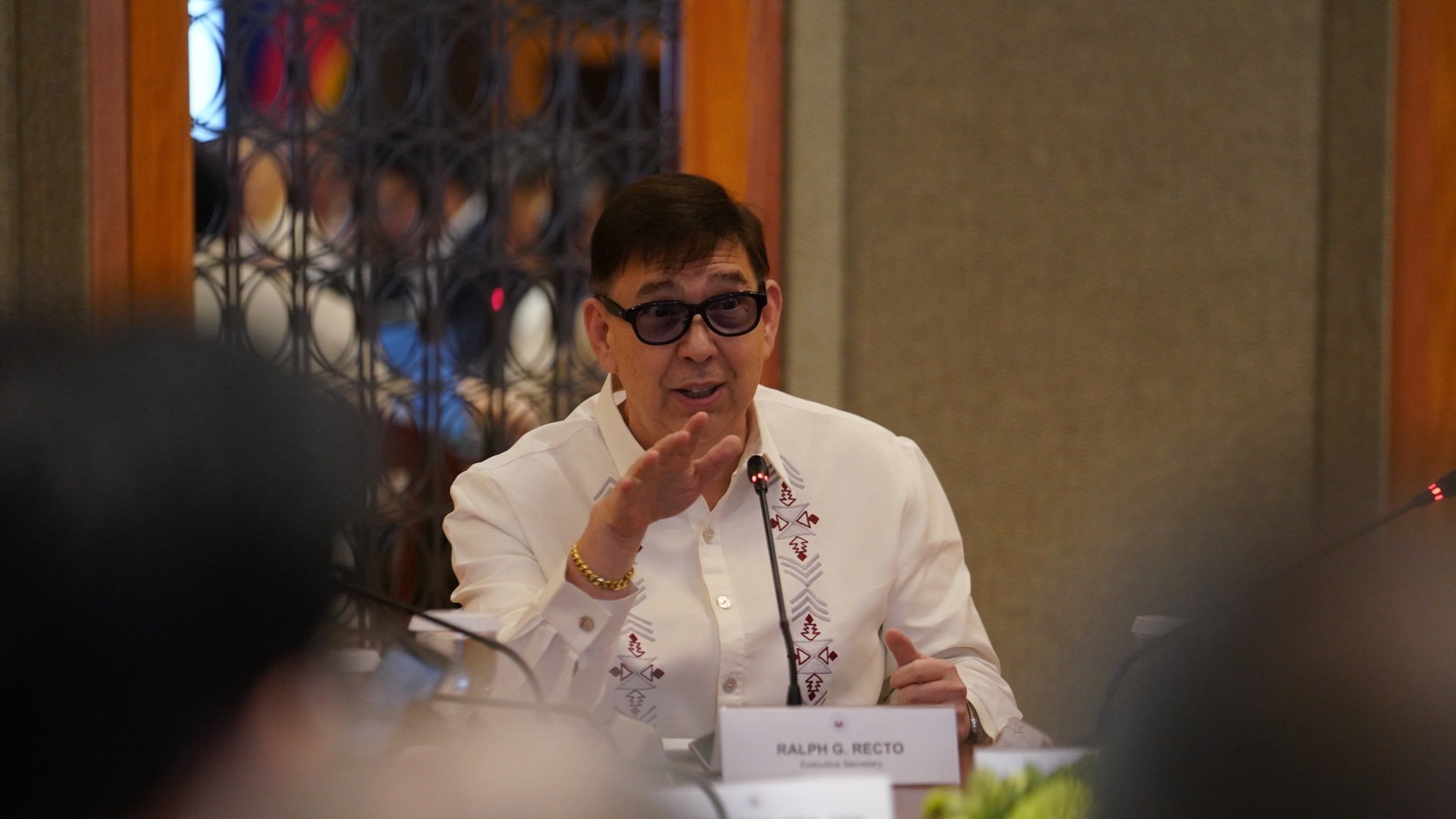
The Philippine government has established an inter-agency crisis committee to coordinate and strengthen measures addressing the impacts of rising oil prices due to the Middle East conflict, according to Executive Secretary Ralph Recto.
MANILA — In response to the recent surge in oil prices triggered by the conflict in the Middle East, the Philippine government, under President Ferdinand Marcos Jr., has instituted an inter-agency crisis committee to better coordinate and sustain mitigation efforts. Executive Secretary Ralph Recto affirmed on March 24, 2026, that this panel is not initiating new measures but consolidating and reinforcing existing government strategies aimed at cushioning vulnerable groups from economic shocks.
Recto highlighted that the administration has already mobilized substantial financial resources, providing fuel subsidies to tens of thousands of drivers and arranging chartered flights to evacuate overseas Filipino workers from affected areas. The government has implemented energy conservation policies and reduced toll, airport passenger, and aircraft landing fees to alleviate the financial burden on citizens and businesses alike.
“These actions began immediately after the conflict escalation and have concrete results,” Recto stated, emphasizing the government’s proactive approach rather than delaying response with lengthy bureaucratic processes. The establishment of the crisis committee formalizes coordination among different agencies to address what may be a prolonged disruption in global oil supply and elevated fuel prices caused by damaged oil and gas infrastructure in the Middle East.
Recto also underscored the committee’s role in anticipating continuing challenges even if the conflict ends soon, as recovery and normalization of supply chains will take time. Plans to support rural farmers and fishermen with fuel costs for tractors and boats are also underway. The Presidential Communications Office confirmed the order to create this committee as part of efforts to manage the evolving situation effectively.
As of now, officials maintain that the Philippines has sufficient oil supplies, though price instability remains a concern due to global market fluctuations. The government continues to monitor the situation closely, focusing on comprehensive and adaptive strategies to safeguard the economy and welfare of Filipinos, especially overseas workers who might be affected by supply chain disruptions and economic ripple effects.
Sources referenced:
- https://www.gmanetwork.com/news/topstories/nation/981178/crisis-panel-marcos-response-oil-price-shocks/story/