
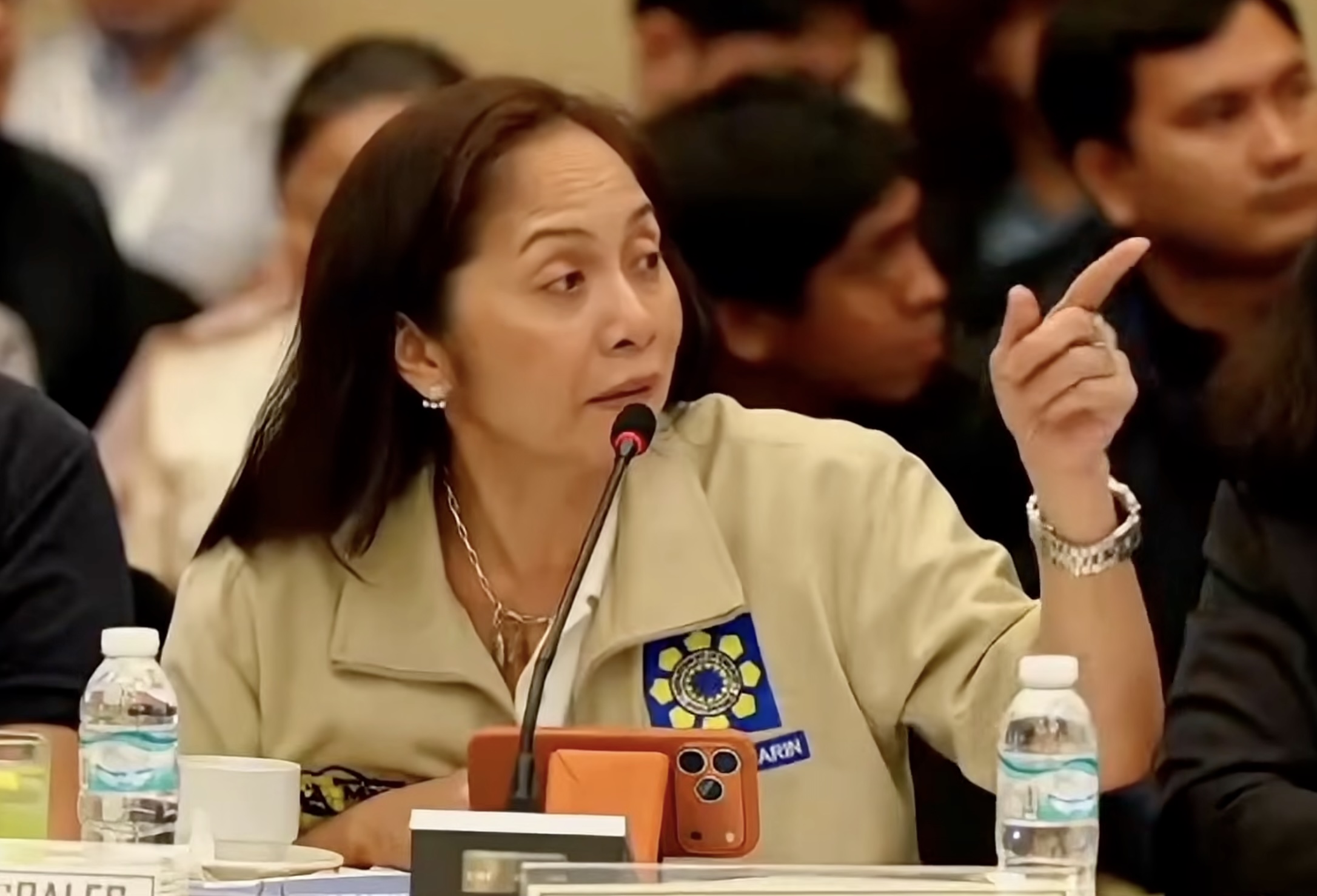
Department of Energy Secretary Sharon Garin admits failures in planning have contributed to prolonged power supply shortages and frequent outages in the Visayas grid.
The Department of Energy (DOE) of the Philippines has officially recognized planning deficiencies as a key factor contributing to the recurring power outages in the Visayas grid. DOE Secretary Sharon Garin disclosed during a House of Representatives public hearing in Bacolod City that the region has lacked new baseload power capacity for a significant period, citing planning failures as central to the problem.
Baseload power, critical for maintaining continuous and reliable electricity supply, is typically generated through stable sources such as coal, geothermal, and natural gas plants. The absence of new baseload facilities has led to frequent yellow and red grid alerts in the Visayas, resulting in rolling brownouts impacting many areas.
Secretary Garin noted that the DOE has initiated long-term simulations and energy auctions to address future power supply needs. Teams were formed in the preceding year to simulate supply and demand scenarios over the next decade to facilitate effective energy procurement and infrastructure development.
The backlog in constructing new power plants and the simultaneous forced outages of six Visayas power plants, combined with breakdowns in two Mindanao plants, have tightened supply significantly. Though power is being transferred from Luzon and Mindanao through interconnections, it has been insufficient to cover the supply deficit in the Visayas.
Further concerns were raised regarding the grid’s ancillary services — backup reserves intended to stabilize electrical frequency and prevent widespread blackouts. Lawmakers questioned whether the existing ancillary services framework, modeled after Luzon and Mindanao systems, is suitable for the Visayas, given its island geography. The DOE concurred that the ancillary services policy requires reevaluation and adjustment to fit the unique characteristics of the Visayas.
Additionally, the DOE acknowledged the temporary use of primary power generation plants as ancillary service providers and is moving towards disallowing this practice.
To mitigate the mismatch between high daytime solar power generation and peak evening demand, the DOE is fast-tracking solar power projects paired with battery energy storage systems. Battery storage will enable excess solar energy generated during the day to be stored and released during times of higher electricity use, offering a more flexible and reliable power supply.
Overall, the DOE’s acknowledgment of planning failures and its steps toward long-term solutions mark a critical moment in addressing the persistent energy challenges in the Visayas. Yet, projections indicate that even with interventions by 2027, supply shortages and grid alerts may continue, underscoring the urgent need for coordinated infrastructure development and policy adjustments.
Sources referenced:
- https://www.gmanetwork.com/news/topstories/regions/1004666/doe-admits-planning-failure-over-recurring-visayas-grid-outages/story/