
Philippine lawmakers have flagged potential issues in the Department of Education's new three-term academic calendar, focusing on possible instructional time deficits, insufficient buffer days, and unclear learning outcomes.
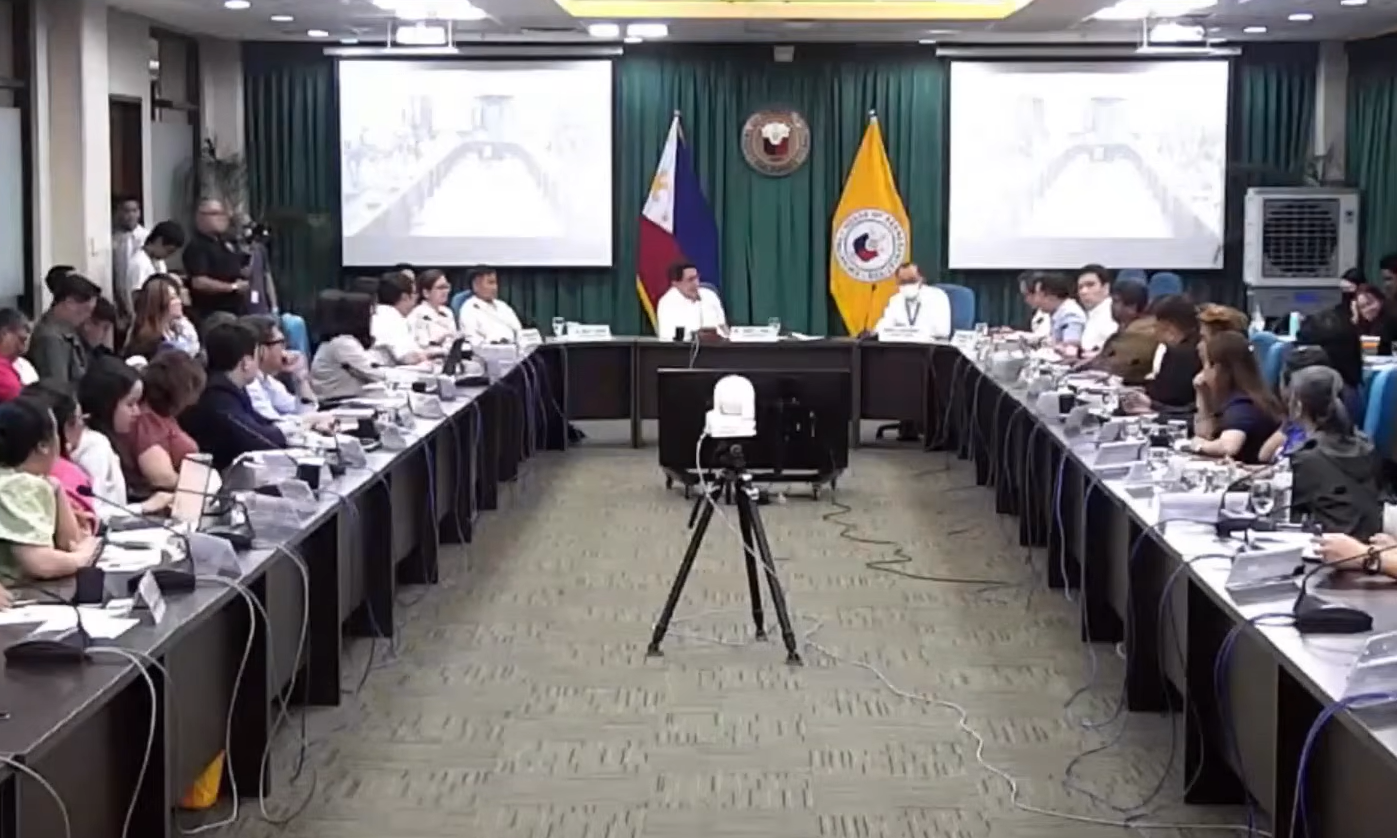
In a recent briefing by the Philippine House Committee on Basic Education and Culture, chaired by Roman Romulo, lawmakers scrutinized the Department of Education’s (DepEd) planned shift to a three-term school calendar scheduled for implementation in the School Year 2026–2027. Officials raised concerns regarding gaps in instructional days, lack of sufficient buffer periods to accommodate disruptions such as weather-related class suspensions, and unclear learning targets under the proposed system. Romulo emphasized the importance of flexibility, warning that a compressed schedule without enough buffer days might prevent students from completing all required lessons, thereby affecting the coverage of essential learning competencies. DepEd Assistant Secretary Janir TY Datukan explained that teachers use a ‘budget of work’ to prioritize competencies according to available instructional time, but acknowledged the need to refine implementation details. The committee noted inconsistencies in the proposed number of instructional days, with DepEd’s data showing only 172 days—below the standard 180 days typically required. Additional concerns were raised about the Academic Recovery and Accessible Learning (ARAL) program, questioning its focus on early-grade learners while neglecting students in higher grades. Romulo proposed expanding remediation programs to all grade levels, including an eight-week recovery plan. Lawmakers also questioned the scientific basis for certain design choices, like the proposed five-day remediation period, which DepEd admitted lacked specific studies. DepEd defended the reform package as part of a broader strategy to provide longer uninterrupted learning periods, reduce disruptions, and improve pacing for learners and teachers. They provided data showing that up to 53 school days were lost in the 2023–2024 school year due to weather and non-instructional activities, leading to compressed lessons. The new calendar divides the school year into three terms with focused instructional blocks and periods allocated for remediation, enrichment, and teacher development. The committee urged DepEd to submit detailed plans addressing instructional time, competencies, and remediation to ensure effective implementation without overwhelming schools.
Sources referenced:
- https://www.gmanetwork.com/news/topstories/nation/984600/house-panel-flags-gaps-in-deped-s-three-term-calendar/story/